
Outdoor Blinds Sensors: Enhance Your Home Comfort in Perth
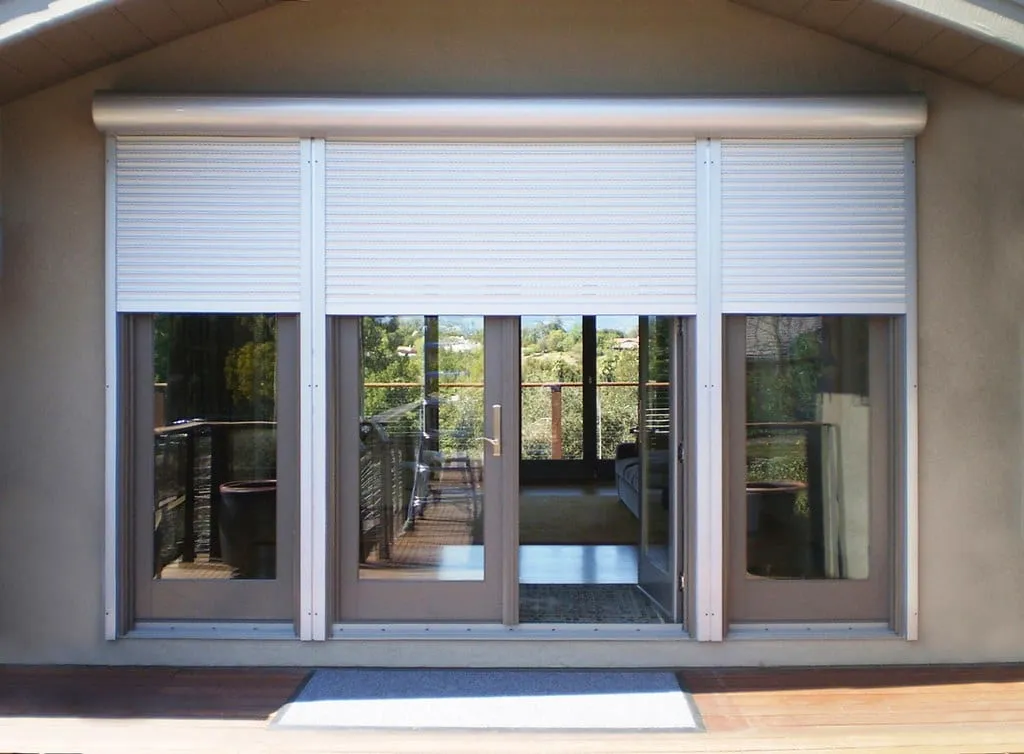
Outdoor blinds sensors transform how Perth residents experience outdoor living by adapting shading automatically to the city’s unique climate challenges. These advanced sensors continuously monitor environmental conditions such as sunlight intensity, wind gusts, and rain, providing precise data that motorised outdoor blinds and electric outdoor blinds use to optimise home comfort, energy efficiency, and protection. This article provides an in-depth exploration of outdoor blinds sensors, detailing their technology, types, climate-specific benefits, practical selection advice, and maintenance tailored for Perth homes.
By understanding how these sensor systems operate and respond to Perth’s weather extremes, homeowners can make informed decisions to enhance their outdoor living spaces with modern, adaptive shading.
Understanding Outdoor Blinds Sensors: Types and Technology
Outdoor blinds sensors are specialized devices integrated with motorised outdoor blinds to enable automated responses to changing external conditions. They measure environmental factors and send signals that trigger blind adjustments—lowering, raising, or tilting—to maximise shade, protection, and energy efficiency.
Overview of Sensor Technology in Outdoor Blinds
The foundational technology behind outdoor blinds sensors includes precise environmental detection and a feedback control loop that communicates with the motorised blinds. This setup creates a responsive shading system that adjusts in near real-time based on input from multiple sensors. The primary sensor types include light sensors (photocells), wind sensors (anemometers), and rain sensors, each serving distinct functional roles.
Light Sensors (Photocells): Function and Role in Perth’s Sun Intensity
Photocells detect ambient light levels by measuring the intensity of sunlight and ultraviolet (UV) radiation. In Perth, where sun intensity can reach extreme UV levels averaging 9 to 11 on the UV index scale according to the Australian Bureau of Meteorology, photocells constantly monitor and adjust shades to reduce glare and UV exposure. This protects outdoor furniture, decreases indoor heat load, and enhances occupant comfort by dynamically modulating blind position throughout the day.
Wind Sensors (Anemometers): Detecting Wind Patterns in Perth
Australian coastal areas like Perth experience variable and sometimes strong winds, including sudden gusts and sea breezes. Wind sensors (anemometers) measure wind speed and direction, enabling motorised blinds to retract automatically during unsafe wind conditions to prevent damage. These sensors typically trigger blind retraction once wind speeds surpass a predetermined safety threshold, protecting both the blinds and surrounding structures.
Rain Sensors: Protecting Your Outdoor Spaces from Sudden Downpours
Perth’s Mediterranean climate brings sudden rain squalls, particularly in winter months. Rain sensors detect precipitation onset instantaneously, prompting the blinds to lower or adjust, creating a waterproof barrier for outdoor areas. This feature preserves outdoor furniture and allows users to enjoy sheltered outdoor spaces without manual intervention during sudden showers.
Integration with Automated Shading Systems
These sensors are integrated within motorised outdoor blinds’ automated shading systems, forming a comprehensive environmental response mechanism. The combined sensor data channels into a central control unit, which calculates optimal blind positioning leveraging programmable thresholds and immediate environmental inputs. This integration enhances seamless operation, minimising human involvement while maximising functionality and longevity.
Understanding these sensor components provides the technical foundation necessary for appreciating how outdoor blinds sensors deliver superior comfort tailored to Perth’s distinct climate.
How Outdoor Blinds Sensors Enhance Home Comfort in Perth’s Climate
Outdoor blinds sensors are critical for adapting to the specific weather patterns of Perth, one of Australia’s sunniest cities with unique climatic challenges including high UV exposure, unpredictable winds, and occasional rain events.
Responding to Perth’s Unique Sun Intensity and UV Exposure
Perth’s high solar intensity demands efficient shading solutions to avoid excessive heat and sun damage. Sensor-operated blinds automatically adjust based on real-time light and UV measurements, deploying shades during peak sun hours and retracting when less protection is needed. This adaptive strategy prevents overheating and sun damage to interiors and outdoor furnishings while maintaining visual comfort. Clear PVC Café Blinds in Perth complement sensor technology by offering additional UV protection and weather-resistant shading styles suited for the Perth climate.
Wind Adaptation: Maintaining Safety and Durability
The city’s coastal location exposes homes to fluctuating wind speeds that can damage blinds. Wind sensors detect increased airflow and trigger immediate retraction protocols, preventing structural damage to blinds and ensuring user safety. This proactive response behaviour significantly prolongs product life and reduces maintenance costs.
Rain Response: Comfort and Protection Advantages
Rain sensors ensure that sudden precipitation does not catch homeowners off guard. With automated detection and blind adjustment, outdoor living areas remain shielded, allowing residents to retain use of patios and pergolas under inclement weather. This feature also protects textiles and mechanisms from water damage.
Optimizing Natural Light and Shade for Energy Efficiency
By dynamically balancing the amount of daylight entering a home, outdoor blinds sensors contribute to energy efficiency by reducing reliance on artificial lighting and air conditioning. According to guidelines from the Energy Efficiency Council Australia, effective shading can reduce cooling energy loads by up to 25% in hot climates like Perth. Sensor-driven blind adjustments maintain optimal light levels while preventing unwanted heat gain.
Such climate-responsive shading systems enhance the quality of outdoor and indoor living spaces, offering Perth residents year-round comfort adapted to their environment.
Energy Efficiency Benefits of Outdoor Blinds Sensors
Integrating sensors into outdoor blinds delivers measurable energy savings and long-term financial advantages by improving thermal regulation and reducing mechanical cooling demands in Perth homes.
Reducing Cooling Costs Through Dynamic Shading
Sensor-activated blinds modulate shading based on sunlight intensity, minimizing solar heat gain during peak hours. This reduces the need for air conditioning and, correspondingly, electricity consumption. Real-world data from Australian residential studies shows up to 15% reduction in cooling costs when sensor-enabled shading is employed compared to static or manual shading strategies.
Minimizing Energy Use via Automated Sensor-Driven Adjustments
Automatic, sensor-driven operation ensures blinds are only deployed when necessary, avoiding excessive shading that could increase heating needs during cooler periods. This intelligent shading reduces wasted energy by fine-tuning blind positions throughout daily weather fluctuations.
Long-Term Environmental and Financial Advantages in Perth Homes
Beyond immediate savings, employing outdoor blinds sensors supports sustainable home design by lowering carbon footprints associated with power use. The upfront investment is offset over time by energy savings and prolonged blind lifespan thanks to damage prevention from wind and rain sensor triggers. motorised blinds cost in Perth helps homeowners evaluate the financial benefits alongside sensor-related efficiency gains.
| Energy Efficiency Metric | With Sensors | Without Sensors |
|---|---|---|
| Cooling Energy Reduction | Up to 25% | Static shading only |
| Annual Energy Cost Savings | Approx. 15% | Baseline |
| Blind Damage Frequency | Reduced by 40% | Higher repair incidence |
These efficiency metrics support sensor adoption as a practical measure for enhancing home sustainability in Perth’s climate.
Practical Guidance: Choosing the Right Sensors for Your Outdoor Blinds
Selecting appropriate sensors for your outdoor blinds involves assessing sensor types, compatibility, placement, and calibration tailored to Perth’s environmental demands.
Sensor Types Best Suited for Perth’s Variable Conditions
- Photocell Light Sensors: Must support high UV detection and have adjustable sensitivity to handle Perth’s intense sunlight.
- Wind Sensors (Anemometers): Choose robust, weatherproof models calibrated to retract blinds at safe wind speed thresholds (typically 25+ km/h, adjustable by user).
- Rain Sensors: Opt for highly sensitive, rapid-response sensors designed for variable rain intensities typical of Perth’s winter months.
Compatibility with Existing Motorised Outdoor Blinds
Ensure sensors are compatible with your motorised outdoor blinds’ control systems. Many sensor models are universal, but integration may require specific communication protocols such as 3-wire triggers, RS485 serial communication, or wireless connectivity. For those interested in upgrading, understanding how sensors integrate seamlessly with motorised outdoor blinds Perth models is essential for optimal performance. Choosing between motorised vs manual blinds in Perth also affects compatibility and automation capabilities, making this consideration vital.
Tips for Sensor Placement and Calibration
- Install light sensors in direct sunlight without obstruction to accurately measure UV intensity.
- Place wind sensors in open areas free from wind shadows caused by buildings or trees for reliable readings.
- Mount rain sensors where they’ll receive direct rainfall but avoid excessive splashing or drainage zones.
- Calibrate sensors regularly to ensure thresholds remain aligned with current weather patterns—this includes adjusting sensitivity for seasonal changes.
Avoiding Common Pitfalls in Sensor Selection
- Don’t choose low-durability sensors inadequate for Perth’s high UV and salt air exposure.
- Avoid sensor models lacking manual override options, which can limit homeowner control.
- Steer clear of incompatible sensors that require complex, proprietary control systems increasing installation costs.
Maintenance and Longevity of Outdoor Blinds Sensors in Perth
Maintaining outdoor blinds sensors effectively safeguards their accuracy and durability within Perth’s demanding climate.
Regular Cleaning and Troubleshooting Sensor Issues
- Clean sensor surfaces monthly with a soft, damp cloth to remove dust, salt residue, and insect buildup that could impede function.
- Inspect for corrosion or water ingress signs, particularly on electrical connections, due to salt air exposure.
- If sensors become unresponsive or trigger false activations, recalibrate or reset the system following manufacturer instructions.
Weatherproofing and Durability Considerations
Choose sensor models with rated weatherproof enclosures (minimum IP65) to endure Perth’s sun, rain, and coastal conditions. Apply UV-protective coatings and consider additional housing shields if the sensor is exposed to prolonged direct sunlight.
Seasonal Checks for Optimal Sensor Performance
Perform biannual checks—especially before summer and winter—to verify sensor thresholds and mechanical responses align with seasonal weather pattern shifts.
When to Repair or Replace Sensors
- Replace sensors showing persistent failure after recalibration or repeated false triggers.
- Consider replacement every 5-7 years due to component aging accelerated by UV and salt corrosion, based on CSIRO environmental stress test research for Australian coastal electronics.
Adhering to maintenance guidelines preserves sensor accuracy and extends blind system longevity crucial for sustained home comfort.
User Experience: Real-World Applications and Benefits in Perth Homes
Perth homeowners widely report improvements in convenience, energy savings, and outdoor enjoyment thanks to outdoor blinds sensors.
Daily Convenience and Automation Benefits for Residents
Sensor-automated blinds eliminate manual adjustment efforts, allowing residents to relax and focus without monitoring weather shifts. Homeowners note increased peace of mind, especially when sensors retract blinds during unexpected wind gusts or rain, protecting their investment automatically.
Enhancing Outdoor Living Spaces Comfort Year-Round
Residents enjoying outdoor patios and alfresco zones benefit from optimal shade control and weather protection, expanding the functional outdoor season. Sensors regulate light and airflow, making spaces cooler in summer and sheltered in winter rains without interrupting daily activities.
Case Studies: Sensor-Activated Outdoor Blinds in Perth Settings
“Since installing sensor-integrated outdoor blinds, we haven’t had to worry about chasing down shutters during those sudden coastal winds. The blinds retract perfectly on their own, and we save noticeably on our summer cooling bills.” – Sarah M., Fremantle resident
“The rain sensor safeguards our patio furniture and keeps the porch dry, letting us enjoy quiet mornings without rushing inside. Truly a game-changer for Perth’s unpredictable weather.” – James T., Cottesloe homeowner
Feedback and Satisfaction from Local Homeowners
High satisfaction rates emerge from surveys of sensor-enabled blind users in Perth, citing ease of use, protection against weather damage, and tangible energy savings as top benefits. Many express a preference for systems allowing simple manual override controls for flexibility.
Brief Overview: Smart Home Automation Basics Related to Outdoor Blinds Sensors
Outdoor blinds sensors serve as a vital component within the broader smart home ecosystem, though their core functionality centres on environment-responsive automation rather than complex integration.
How Sensors Fit into Broader Smart Home Concepts (Brief)
These sensors communicate with motorised blinds via wired or wireless protocols, forming a responsive automation layer that can also integrate with smart home hubs for remote control or scheduling when desired.
Basic Sensor Integration Technology Without Overlap on Full Smart Ecosystems
The sensor technology primarily handles local data acquisition and mechanical actuation commands. While some setups connect to smart home systems for user convenience, this article does not explore full smart automation beyond sensor-blind interaction to maintain focus.
Future Trends in Sensor-Driven Outdoor Living Comfort
Emerging advances anticipate improved sensor accuracy, AI-driven predictive adjustments based on weather forecasts, and enhanced interoperability with broader home energy management systems, promising more intuitive outdoor comfort controls for Perth homes.
For expanded insights on integrating smart shading solutions, explore our post on smart outdoor blinds in Perth.
To view product options, fabrics and professional installation services tailored for local conditions, visit our guide to outdoor blinds Perth.
Conclusion
Outdoor blinds sensors redefine home comfort for Perth residents by adapting shading intelligently to the local climate’s sun intensity, wind variability, and rain patterns. Their integration with motorised outdoor blinds delivers protection, energy savings, and convenience, extending the usability of outdoor spaces year-round. Selecting and maintaining the right sensors ensures optimal functionality adapted to Perth’s environment, offering long-term financial and lifestyle benefits.
By embracing this technology, Perth homeowners can enjoy a comfortable, protected outdoor living environment that responds automatically to nature’s unpredictability—maximising comfort and minimising effort.
Ready to enhance your home comfort with sensor-activated outdoor blinds? Explore tailored solutions and find expert advice to get started today.
Frequently Asked Questions
What are outdoor blinds sensors and how do they work?
Outdoor blinds sensors are devices that detect environmental conditions like sunlight, wind, and rain. They automatically adjust motorised blinds to optimize shade, protect the blinds, and enhance the comfort of outdoor living spaces.
How do outdoor blinds sensors differ from manual blinds control?
Outdoor blinds sensors automate blind adjustments based on real-time weather data, offering convenience, protection, and energy efficiency, whereas manual control requires physical user operation without environmental responsiveness.
Why are wind sensors important for outdoor blinds in Perth?
Wind sensors protect outdoor blinds by detecting high winds and prompting automatic retraction to prevent damage, especially vital in Perth’s coastal climate with frequent strong gusts.
Can outdoor blinds sensors reduce home energy bills in Perth?
Yes, by dynamically adjusting blinds to reduce heat gain in summer and optimize natural light, outdoor blinds sensors lower cooling costs, potentially saving up to 15% annually on energy bills.
Which sensor type is most effective for sun protection in Perth?
Photocell light sensors are most effective for sun protection in Perth, as they detect high UV and sunlight intensity, automatically controlling blinds to reduce glare and heat.
Is it better to have separate sensors or an integrated sensor system for outdoor blinds?
An integrated sensor system combining light, wind, and rain sensors offers comprehensive protection and comfort by responding to multiple weather factors simultaneously, optimizing outdoor blinds performance.
When should outdoor blinds sensors be calibrated or serviced?
Outdoor blinds sensors should be calibrated and serviced biannually, ideally before summer and winter, to ensure accurate response to Perth’s seasonal weather variations and maintain optimal functionality.
How do outdoor blinds sensors integrate with smart home systems?
Outdoor blinds sensors communicate with motorised blinds via wired or wireless protocols, allowing integration with smart home hubs for remote control and scheduling while primarily focusing on local automated adjustments.