
Noise Reduction Roller Shutters in Perth: The Ultimate Guide
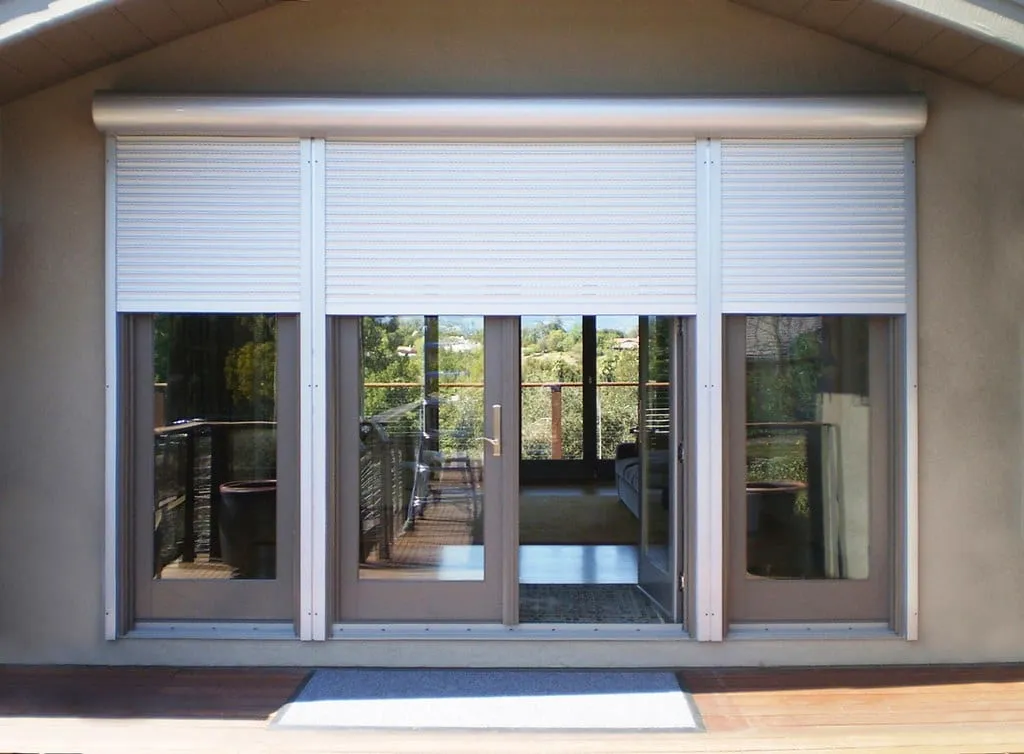
Noise reduction roller shutters in Perth offer a powerful solution for homeowners seeking peace amidst urban hustle. This ultimate guide breaks down how these shutters work, their benefits tailored to Perth’s unique urban environment, and practical installation insights to help you make an informed decision.
What Are Noise Reduction Roller Shutters?
Definition and Basic Functionality of Roller Shutters
Roller shutters are window and door coverings consisting of interlocking slats that roll up or down over an opening. Their primary function is to provide security, light control, and weather protection. Noise reduction roller shutters take this a step further by incorporating features designed to specifically attenuate sound transmission, creating a quieter indoor environment.
Specific Noise Reduction Features Compared to Standard Shutters
Unlike standard roller shutters, noise reduction variants feature denser materials, insulated cores, and enhanced seals that block and absorb sound waves. For example, thicker slats with foam-filled cores and compressed rubber seals around frame edges prevent sound leaks. This design transforms roller shutters into effective soundproof window coverings that go beyond just blocking light or providing security.
Overview of Acoustic Insulation Principles in Roller Shutters
Acoustic insulation in roller shutters hinges on the principles of sound wave attenuation, reflection, and absorption. The shutters act as an acoustic barrier technology, reflecting some sound waves away while absorbing others within their mass and layers. Key factors include shutter material density, core composition, and seal integrity, all working together to reduce sound transmission loss into the home.
Understanding these fundamentals sets the foundation to explore exactly how noise reduction roller shutters operate technically.
Noise reduction variants are part of the broader family of residential roller shutters, sharing common installation methods and build standards while incorporating acoustic-specific materials (such as foam-filled cores and enhanced seals) to deliver both the usual benefits—security, light control and weather protection—and targeted sound attenuation for urban homes.
How Do Noise Reduction Roller Shutters Work? (Technical Explanation)
Acoustic Insulation Principles Behind Noise Reduction
Noise reduction roller shutters function by disrupting and absorbing sound waves before they penetrate the interior. This involves the combination of sound wave reflection off dense surfaces and sound absorption within shutter layers. The dense slats increase the mass barrier, key for blocking low-frequency sounds such as traffic hum, while insulated cores dissipate sound energy to reduce resonance.
Sound Transmission Class (STC) Ratings and Their Relevance
Sound Transmission Class (STC) is a standardized rating that measures how effectively a building element attenuates airborne sound. Higher STC ratings signify better noise blocking. Noise reduction roller shutters typically add between 10 to 20 STC points depending on material and design. For Perth homes, where traffic noise frequencies range widely, selecting shutters with an STC rating aligned to those dominant frequencies is critical.
Materials Science: How Different Materials Absorb and Block Sound
Material density and structure directly influence acoustic performance. Aluminium offers high density and durability but tends to reflect sound, so is often combined with foam-filled cores to enhance absorption. PVC provides flexibility and some absorption but is lighter, requiring thicker designs for similar performance. Composite materials leverage the best of both worlds, combining layers that both reflect and absorb sound waves efficiently.
Design Elements That Enhance Noise Reduction (e.g., seals, layering)
Design innovations including double-walling (two layers of slats with an insulated gap), rubber seals around edges, and multi-layered construction are central for noise mitigation. Tight seals prevent sound leaks at shutter edges where most noise infiltration occurs, while layering interrupts sound frequency transmission.
These technical insights clarify how investing in quality noise reduction roller shutters enhances the acoustic environment indoors, especially in noisy Perth neighborhoods.
Benefits of Noise Reduction Roller Shutters for Perth Homes
Addressing Local Noise Pollution in Perth (traffic, construction, urban density)
Perth’s urban environment exposes residents to noise pollution from busy highways, ongoing construction projects, and dense residential areas. According to the Environmental Protection Authority WA, traffic noise is a leading noise complaint in metropolitan Perth, especially near major roads like the Mitchell Freeway and Graham Farmer Freeway.
Noise reduction roller shutters act as effective sound barriers, helping to reduce intrusions from constant low-frequency traffic hum and intermittent high-frequency construction noise, creating a quiet home environment vital for wellbeing.
Climate Considerations (heat, wind, humidity) and Impact on Noise Control
Perth’s hot summers, coupled with occasional strong winds and coastal humidity, impact shutter performance. The insulating properties of noise reduction shutters also contribute to thermal control, reducing heat ingress while sustaining acoustic insulation.
These shutters must be designed with weather-resilient materials and sealing systems to maintain their noise attenuation capabilities year-round, addressing both thermal insulation benefits and noise control simultaneously.
Compliance with Perth Residential Building Codes and Noise Regulations
Perth’s building codes, governed by the Australian Building Codes Board (ABCB) and local councils, mandate standards for acoustic performance in residential developments, especially in noise-sensitive areas. Installing noise reduction roller shutters can assist homeowners in meeting or exceeding these requirements for noise control compliance.
Secondary Benefits: Privacy, Security, Energy Efficiency, Property Value
Beyond sound attenuation, these shutters enhance privacy by blocking sightlines, increase security by acting as physical barriers, and improve energy efficiency by reducing heat transfer. Collectively, these benefits enhance your home’s comfort and security with roller shutters perth, potentially increasing property value.
Next, we examine the materials and designs that maximise noise reduction effectiveness.
Materials and Designs That Maximize Noise Reduction
Common Materials Used (Aluminium, PVC, Composite)
| Material | Density | Noise Reduction Properties | Durability in Perth Climate |
|---|---|---|---|
| Aluminium | High | Reflects sound; improved with insulating cores | Excellent UV and corrosion resistance |
| PVC | Medium | Absorbs mid-frequency noise; requires thickness | Good weather resistance but degrades under UV |
| Composite | Variable (Layered) | Combines mass and absorption; superior blocking | Designed for coastal durability, UV stabilized |
Impact of Material Density and Thickness on Sound Blocking
Higher density materials provide improved mass barriers against sound waves, especially at low frequencies common in road traffic noise. Thickness enhances this effect, as thicker slats contain more mass and space for absorption layers. Selecting materials matched to target noise frequency ranges ensures optimal sound attenuation.
Design Innovations (double-walling, insulated cores, rubber seals)
- Double-walling: Two layers of slats with an air or foam gap creating a buffer zone reducing sound resonance.
- Insulated cores: Foam or mineral cores inside slats absorb and dampen sound vibrations.
- Rubber seals: Compression seals on the shutter edges prevent noise leaks through gaps.
Comparing Material Lifespan and Maintenance Needs in Perth Climate
Aluminium requires minimal maintenance with high UV and salt air resistance, ideal for Perth’s coastal environment. PVC shutters may require surface treatments to prevent UV degradation. Composite shutters balance maintenance and durability but can be costlier upfront.
For additional protection beyond noise control, Clear PVC café blinds for UV protection in Perth are a complementary solution worth considering.
With material understanding in place, the next step is mastering installation best practices tailored for Perth.
Installation Considerations and Best Practices in Perth
Site Assessment: Evaluating Noise Sources and Exposure Levels
A thorough evaluation of noise sources using a sound level meter is essential before installation. Identifying predominant noise types (e.g., low-frequency freeway hum or high-frequency construction) informs shutter choice and positioning, ensuring the greatest benefit.
Optimal Installation Techniques for Maximum Noise Reduction
- Ensure airtight fitting with rubber sealing compression around edges to minimise sound leakage.
- Use insulated brackets and fixings to prevent vibration transmission through mounting points.
- Install shutters with overlapping slats or double-walled profiles where feasible to enhance barrier effect.
- Consider internal mounting for better insulation when retrofitting existing windows, depending on noise assessment.
Homeowners looking to customise their noise reduction shutters can explore smart residential shutters with automation in Perth, enhancing control over both noise and light, a growing trend among Perth homeowners seeking convenience and efficiency.
Working with Local Suppliers and Certified Installers
Partnering with Perth-based suppliers who specialise in noise reduction ensures compliance with local regulations and quality installation craftsmanship. Certified installers understand how to adapt shutter systems to withstand salinity resistance requirements and UV exposure unique to Perth.
Adaptations for Perth’s Environmental Factors (salinity, UV exposure)
Use corrosion-resistant materials and UV-stabilised coatings to extend shutter life in salty coastal air and intense sunlight. Regular maintenance schedules should be factored into installation contracts to safeguard performance.
Installation choices are central to performance, and they intertwine closely with cost and durability.
Cost Considerations and Durability of Noise Reduction Roller Shutters
Price Ranges Based on Material, Design, and Installation Complexity
| Material/Design | Typical Price Range (AUD) | Installation Complexity |
|---|---|---|
| Basic Aluminium single-wall | $350–$600 per window | Low |
| Insulated composite/foam core | $600–$1,200 per window | Medium |
| Double-walled, fully sealed systems | $1,000–$1,800 per window | High |
Long-term Durability and Maintenance Costs in Perth Setting
Aluminium with powder coatings can exceed 15 years with minimal upkeep, while PVC may need more frequent surface treatments every 5 years to prevent cracking. Maintenance costs should factor in cleaning, seal replacements, and hardware checks. Perth’s corrosive sea air can escalate replacement frequency for lesser-quality products.
Cost-Benefit Analysis Compared to Other Noise Reduction Solutions
While noise reduction roller shutters have higher upfront costs than curtains or blinds, they provide superior sound attenuation, security, privacy, and energy savings, making them a sound investment over time. The return on investment (ROI) includes increased home value and reduced energy bills.
Available Financing or Incentives for Noise Reduction Home Improvements
Some local and federal programs, such as energy efficiency incentives through the YourEnergySavings initiative, may offer financial assistance for home improvements including insulated shutters.
Next, let’s compare noise reduction roller shutters against alternative noise mitigation methods.
Comparison With Other Noise Reduction Solutions
| Solution | Effectiveness | Pros | Cons |
|---|---|---|---|
| Noise Insulating Curtains | Moderate | Easy installation, low cost | Less effective on low-frequency noise, no outdoor protection |
| Double Glazing and Window Treatments | High | Improved thermal and noise insulation | Expensive, fixed solution, no privacy control |
| Acoustic Panels / External Barriers | Variable | Targeted noise blocking for external sources | Requires space, often costly |
| Noise Reduction Roller Shutters | High | Multi-functional: noise, privacy, security, energy efficiency | Higher upfront cost and installation complexity |
This residential roller shutters in Perth to enhance comfort and security are often preferred for their all-around benefits.
For those requiring low-profile or supplementary solutions, curtains or glazing can be paired with shutters for maximum effectiveness.
Maintenance and Longevity of Noise Reduction Roller Shutters
Routine Maintenance Procedures and Best Practices
- Regularly clean shutter surfaces to remove salt, dust, and debris, especially in coastal Perth environments.
- Lubricate mechanical parts annually to ensure smooth operation.
- Inspect rubber seals for hardening or gaps and replace as needed.
- Check mounting brackets for corrosion or loosening.
Common Wear and Tear in Perth Conditions and How to Mitigate
UV radiation can cause fading and brittleness; select UV-resistant coatings or composites. Salinity accelerates metal corrosion; powder coats and stainless steel fittings are recommended for coastal homes.
When to Repair vs. Replace: Signs and Cost Implications
- Repair if slats are dented but the system operates well.
- Replace if sealing is compromised, noise blocking deteriorates, or mechanical parts fail beyond cost-effective repair.
Manufacturer Support and Warranty Considerations
Check warranty coverage for material defects and installation workmanship. Most Perth suppliers offer 5-to-10-year warranties. Keep documentation for claims and maintenance records.
Local Suppliers and Manufacturers of Roller Shutters in Perth
Profiles of Leading Perth-Based Suppliers Specializing in Noise Reduction
Perth suppliers like Smarter Outdoors and Shutterline offer customised noise reduction roller shutters designed for local conditions. They provide in-home assessments and certified installations, ensuring compliance with Perth building codes.
Customization Options Offered by Local Manufacturers
Options include varied materials, colours, motorisation (though not covered in this guide), and advanced sealing for noise control, tailored to your home’s specifications.
Customer Service and Installation Support in Perth Region
Local companies offer after-sales support and maintenance programs adjusted for Perth’s environment.
How to Choose a Reputable Supplier: Questions and Verifications
- Do they provide local installation references?
- Are their products compliant with Australian Building Codes and noise standards?
- What warranties and maintenance support do they offer?
- Are installers certified and insured?
Environmental Factors Influencing Noise Reduction Effectiveness
Impact of Urban Density and Construction Activity on Noise Levels
Perth’s increasing urban density amplifies background noise, especially in inner-city suburbs. Ongoing development projects introduce intermittent construction noise requiring robust noise solutions.
Weather Patterns in Perth Affecting Shutter Performance
Hot summer temperatures combined with strong UV exposure degrade some shutter components faster if not properly protected. Wind-driven rain may also impact seal effectiveness over time.
Interaction Between Environmental Noise and Shutter Materials
Materials react differently to environmental stress, affecting long-term noise blocking. For example, foam cores may degrade in humidity, reducing absorption capacity.
Future Predictions: Urban Development Trends and Noise Mitigation Needs
With predicted growth in Perth’s population and infrastructure, local governments may tighten noise regulations. Investing in advanced noise reduction roller shutters now can future-proof homes against increasing noise pollution.
FAQs and Common Concerns
Q: How effective are noise reduction roller shutters compared to other solutions?
A: They offer superior multi-frequency noise attenuation, especially for low-frequency traffic hum, compared to curtains or blinds, while also providing security and energy efficiency benefits.
Q: Can roller shutters be retrofitted to existing homes in Perth?
A: Yes, many systems are designed for easy retrofit without major window replacement. Internal mounting options are common for noise-specific upgrades.
Q: Do local regulations in Perth restrict or mandate roller shutters for noise control?
A: While not universally mandated, noise-sensitive zones may require compliant window coverings. Consult your local council or the Australian Building Codes Board regulations for specifics.
Q: How do roller shutters affect natural light and ventilation?
A: When closed, they block most natural light and air. However, adjustable slat positions allow varied light and ventilation control.
Q: Are there energy savings associated with noise reduction roller shutters?
A: Yes, the insulation properties reduce heat transfer, lowering cooling costs especially in Perth’s hot climate, contributing to energy savings.
Ready to transform your Perth home with noise reduction roller shutters? Our comprehensive guide has provided the technical knowledge, local insights, and practical advice you need to choose the right solution for lasting comfort and quiet.
Frequently Asked Questions
What materials are best suited for noise reduction roller shutters in coastal Perth?
Aluminium with powder coating and composite materials are ideal for coastal Perth due to their high corrosion resistance and UV stability. These materials maintain noise reduction performance despite salty air and strong sunlight, ensuring long-lasting durability and minimal maintenance.
How do noise reduction roller shutters compare to double glazing for sound insulation?
Noise reduction roller shutters provide multi-functional benefits by reducing noise, enhancing security and energy efficiency. Double glazing offers high noise insulation but lacks flexibility and outdoor protection. Combining both can maximize soundproofing but shutters alone offer easier retrofit and adjustable noise control.
Why is Sound Transmission Class (STC) rating important for choosing roller shutters?
STC ratings quantify a material’s ability to block airborne sound. Higher STC-rated roller shutters provide better reduction of traffic and construction noise in Perth, helping homeowners select shutters tailored to their specific urban noise frequencies for effective soundproofing.
Can noise reduction roller shutters improve home energy efficiency in Perth?
Yes, their insulated cores and tight seals reduce heat transfer, lowering cooling costs in Perth’s hot climate. This dual function of noise reduction and thermal insulation boosts comfort and energy savings simultaneously.
Which installation methods maximize noise reduction for roller shutters in Perth homes?
Installation that ensures airtight sealing with rubber compression seals, uses insulated mounting brackets, and features overlapping or double-walled slats achieves maximum noise reduction. Internal mounting often enhances acoustic performance in retrofit scenarios.
How do noise reduction roller shutters handle Perth’s variable weather conditions?
They use weather-resistant materials with UV stabilizers and corrosion-proof coatings to withstand heat, humidity, and salty coastal air. Proper sealing also prevents sound leaks caused by wind-driven rain and helps maintain acoustic performance year-round.
Does installing noise reduction roller shutters comply with Perth building regulations?
While not mandatory everywhere, these shutters can help meet or exceed acoustic standards in noise-sensitive zones outlined by Perth’s building codes. Homeowners should consult local authorities or the Australian Building Codes Board for compliance requirements.
How do noise reduction roller shutters compare to noise insulating curtains in effectiveness?
Roller shutters generally block a broader range of noise frequencies, especially low-frequency traffic sounds, better than curtains. They also provide outdoor noise barrier benefits, security, and energy savings, whereas curtains mainly improve interior noise absorption with limited exterior protection.