
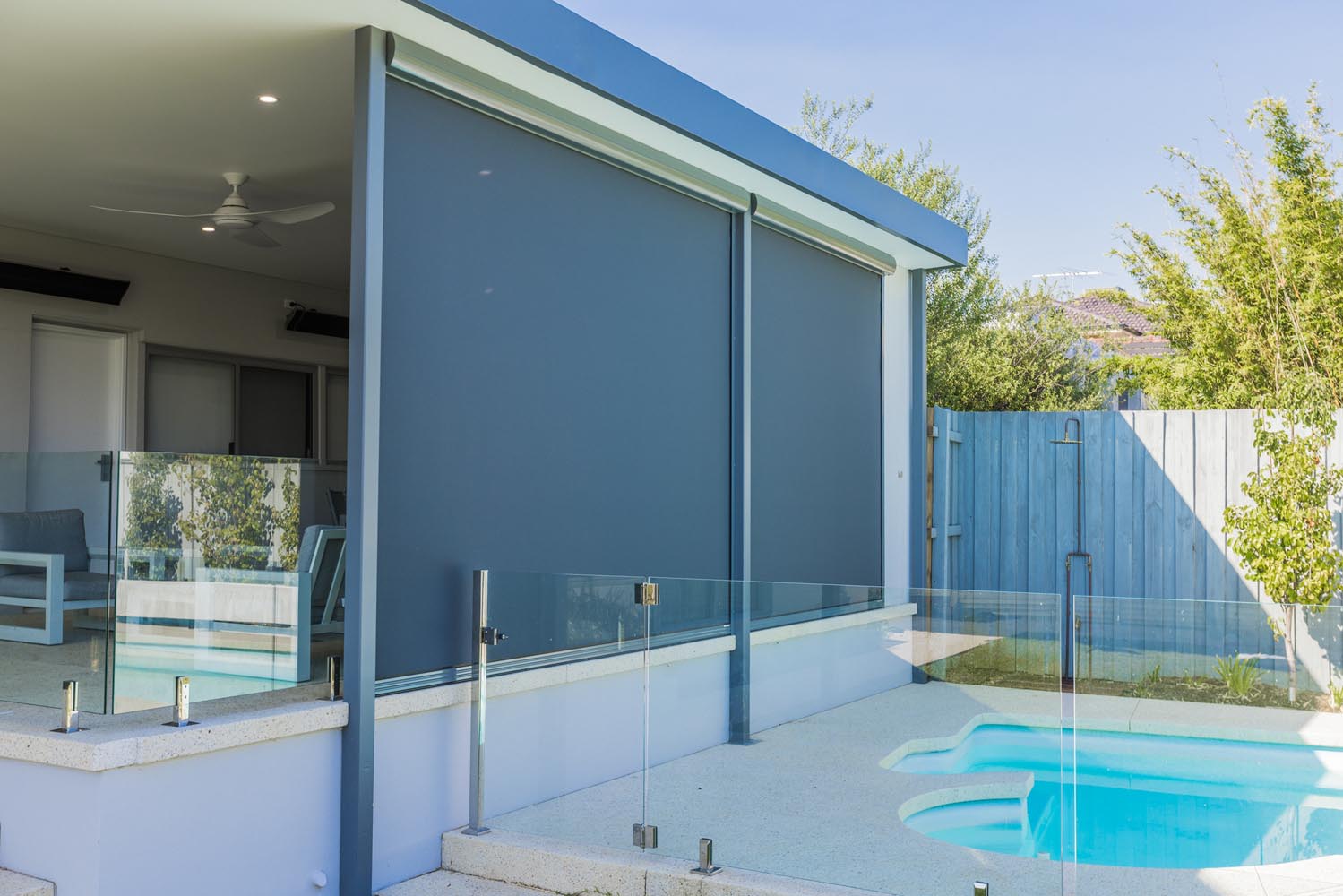
Roller Shutters and Noise Reduction: The Complete Guide
Are you struggling with noise pollution at home, or looking for ways to block traffic noise in your bedroom for a more peaceful night’s sleep? Roller shutters are a practical choice for homeowners in Australia who want a multifunctional solution. Modern roller shutters are engineered to not only improve security and energy efficiency, but also to significantly reduce external noise levels—helping you achieve a more tranquil indoor environment. Explore outdoor shutters Perth for various options designed for local conditions.
Quick take: The right materials, smart design, and professional installation work together to reduce intrusive noise. Below, you’ll find a step‑by‑step selection guide, clear definitions, expert tips, and side‑by‑side comparisons with double glazing.
Table of Contents
- How Roller Shutters Reduce Noise
- Key Definitions
- Contributing Factors
- Benefits of Installing Roller Shutters
- Double Glazing vs Roller Shutters: Which is Better for Noise Reduction?
- Step‑by‑Step: Choosing the Right Noise‑Reducing Roller Shutters
- Measuring Noise: dB, STC/Rw, and Frequency
- Installation & Maintenance Guide
- Cost, Value & ROI
- Real‑World Use Cases
- Myths & Mistakes to Avoid
- Expert Insights: Roller Shutters for Noise Reduction
- People Also Ask
- Frequently Asked Questions
- Conclusion: The Clear Choice for Your Home
How Roller Shutters Reduce Noise
Keyword cluster: Roller shutters noise reduction, soundproof roller shutters, acoustic shutters, block traffic noise, quiet bedroom, Australian homes
Roller shutters create a rigid, sealed barrier in front of your window. By adding mass and reducing air gaps, they interrupt sound transmission before it reaches the glass. The best results come from dense slats, foam-filled profiles, precision side guides, and a professional, gap‑free fit.
Key Definitions
Roller Shutters: Window coverings made from horizontal aluminium or steel slats that roll up into a headbox. When lowered, they form a solid barrier that improves security, insulation, light control, and noise reduction.
Decibels (dB): A logarithmic scale used to measure sound level. Small dB changes can feel like big differences to our ears.
STC/Rw: Ratings that indicate how well a building element reduces airborne sound. Higher numbers generally mean better noise reduction.
Low‑Frequency Noise: Deep sounds such as heavy traffic or bass that are harder to block and need more mass and airtightness.
Contributing Factors to Noise Reduction
Materials & Construction
Keyword cluster: Aluminium roller shutters, steel shutters, dense material, acoustic barrier, sound blocking, slat thickness, headbox design
Roller shutters are typically constructed from dense materials such as aluminium or steel, making them effective sound barriers. The thickness and density of these materials help resist sound waves—especially low‑frequency traffic or city noise—from passing through. Quality construction (robust slats, rigid headbox, reinforced bottom bar) is central to noise performance.
Insulation
Keyword cluster: Foam‑filled slats, thermal barrier, acoustic insulation, energy savings, sound absorption, polyurethane foam
Many high‑quality roller shutters include integrated foam insulation within the slats. Denser foams dampen vibration and absorb sound energy. The insulation also reduces heat transfer, helping keep homes cooler in summer and warmer in winter.
Design Features
Keyword cluster: Precision guides, tight seal, brush inserts, draught protection, air leakage, perimeter sealing, compression profiles
Top‑tier shutters feature precision‑engineered side guides, brush inserts, and snug‑fitting profiles to minimise gaps. When closed, these tight seals reduce opportunities for noise to “leak” through cracks or crevices around the frame.
Installation Techniques
Keyword cluster: Professional installation, custom fit, acoustic seal, draught exclusion, reveal vs face fit, frame overlap
A professional, custom‑measured install ensures a gap‑free fit. Techniques such as overlapping frames, squaring the guides, and sealing interfaces help create a stronger acoustic seal—maximising the noise‑blocking potential of your shutters.
Secondary Glazing Effect
Keyword cluster: Secondary glazing, air gap, double glazing effect, decoupling, additional layer, cavity
When mounted externally, roller shutters often create a secondary glazing effect. The additional layer and controlled air gap between the shutter and window work together to impede sound transmission—similar in principle to double glazing.
Benefits of Installing Roller Shutters
Roller shutters offer several advantages that go beyond standard window coverings, making them a valuable addition to any property.
Reduced Noise
Keyword cluster: Soundproof, acoustic protection, reduce traffic noise, quiet home, peace and quiet, sleep quality
A primary benefit of roller shutters is their ability to substantially reduce noise from outside. Whether it’s traffic, loud neighbours, or general city bustle, roller shutters help create quieter bedrooms, nurseries, living rooms, and home offices.
“Installing modern roller shutters has halved the noise levels in my children’s rooms—we sleep so much better now.”
– Mandy S, Perth homeowner
Increased Privacy
Keyword cluster: Window privacy, block view, street‑facing windows, residential privacy, concealment
With shutters down, internal spaces become private and shielded from view. This is especially valuable in high‑density suburbs or for ground‑level bedrooms and bathrooms.
Weather Protection
Keyword cluster: Weather resistant, storm protection, block heat, bushfire safety, rain barrier, thermal insulation, UV protection
The robust build of roller shutters offers excellent protection against Australia’s harsh climate—blocking heat in summer, reducing winter draughts, and acting as a barrier against rain, wind, and hail. In bushfire‑prone areas, shutters can add an extra layer of defence.
| Feature | Roller Shutters | Double Glazing |
|---|---|---|
| Noise Reduction | High (effective for low/mid frequencies) | High (across most frequencies) |
| Insulation Benefits | Yes (foam‑filled, blocks heat/cold) | Yes (sealed air gap, thermal insulation) |
| Privacy Control | Excellent (total coverage) | Limited (transparent glass) |
| Security | Excellent (physical barrier) | Moderate (tougher glass only) |
| Weather Protection | Excellent (shield against weather) | Good (improved resistance) |
| Installation Cost | Moderate | Higher (window replacement) |
| Adaptability | Fits most existing windows | May require new frames/windows |
Double Glazing vs Roller Shutters: Which is Better for Noise Reduction?
Keyword cluster: Double glazed windows, roller shutters noise reduction, compare insulation options, window upgrades, soundproofing alternatives, retrofit
If you’re comparing ways to block noise, you’ll often hear about double glazing vs. roller shutters. Double glazing uses two panes of glass with a sealed air gap to muffle sound and increase insulation. While effective, it can be expensive and not suitable for every property or window style.
Roller shutters, on the other hand, are highly adaptable. They fit most existing windows and deliver more than noise reduction: privacy, security, weather protection, and light control. For Aussie homeowners wanting a versatile, cost‑effective upgrade, roller shutters are often the ideal all‑in‑one solution.
Step‑by‑Step: Choosing the Right Noise‑Reducing Roller Shutters
Keyword cluster: How to choose, specification checklist, acoustic sealing, custom sizing, motorised shutters, smart controls
- Identify your noise sources. Traffic, neighbours, trains, or wind? Low‑frequency noise needs extra mass and airtightness.
- Confirm window measurements. Custom sizing ensures tight seals and clean operation.
- Select slat type. Choose dense, foam‑filled aluminium or steel slats for acoustic performance.
- Prioritise sealing. Look for precision side guides, brush inserts, and frame overlaps.
- Pick operation style. Manual, motorised, or smart controls—consider bedrooms and accessibility.
- Plan installation. Decide on reveal or face fit; ensure professional installation for a gap‑free finish.
- Finish & colour. Match your facade while keeping heat reflection and durability in mind.
Quick Buyer’s Checklist: Foam‑filled slats • Reinforced guides • Tight bottom bar • Quality seals • Custom fit • Professional install
Measuring Noise: dB, STC/Rw, and Frequency
Keyword cluster: Decibels, sound transmission class, acoustic ratings, low‑frequency control, building acoustics, soundproof metrics
- dB (decibels): A logarithmic measure of sound level. Even modest reductions can feel significantly quieter.
- STC/Rw: Lab ratings for how well systems resist airborne sound. Higher values indicate better attenuation.
- Frequency: Low‑frequency (rumble) is hardest to block; mass and airtightness help most here.
Tip: Treat windows as a system—glass, frame, seals, and shutter—because the weakest link sets overall performance.
Installation & Maintenance Guide
Keyword cluster: Professional fitting, commissioning, aftercare, lubrication, cleaning, service intervals
- Site check & measure: Confirm squareness, substrate strength, and clearances.
- Mount & align: Fix headbox and side guides; verify parallel, plumb, and level.
- Seal & finish: Apply perimeter seals and trims to close gaps.
- Test operation: Cycle up/down, check travel limits, and ensure quiet, smooth running.
- Maintain: Clean guides and slats periodically; inspect seals; schedule servicing for motorised units.
Cost, Value & ROI
Keyword cluster: Budget planning, retrofit savings, energy efficiency, property value, payback
Roller shutters can be a cost‑effective way to achieve quieter rooms, improve comfort, and add security—without replacing windows. Over time, energy savings and reduced wear on HVAC systems can contribute to a compelling return on investment.
Real‑World Use Cases
Keyword cluster: Street‑facing homes, apartments on busy roads, shift workers, nurseries, home studios, coastal wind
- Street‑facing bedrooms: Quieter sleep and blackout for early mornings.
- Apartments near traffic or trains: Added layer over existing glazing without major renovations.
- Home offices/studios: Fewer distractions and improved focus.
- Coastal or windy areas: Reduced rattling and draughts.
Myths & Mistakes to Avoid
Keyword cluster: Soundproofing myths, poor installation, air gaps, wrong slat choice, unrealistic expectations
- Myth: “Any shutter will soundproof my room.”
Reality: Performance varies—materials, seals, and fit matter. - Mistake: Leaving small perimeter gaps.
Fix: Insist on custom measurement and sealing. - Mistake: Ignoring other weak points (vents, doors, thin walls).
Fix: Address the whole room for best results.
Expert Insights: Roller Shutters for Noise Reduction
“To achieve significant acoustic benefits in urban environments, combining professional installation with quality materials is essential. Roller shutters not only reduce outside noise but also improve energy efficiency and security for the Australian home.”
– Ben McGregor, Architectural Consultant
“From my experience, adding roller shutters to bedrooms and living areas resulted in quieter and more comfortable spaces. It’s a practical investment with instant, noticeable results.”
– Sarah Evans, Homeowner & Interior Designer
People Also Ask
- Do roller shutters work for street‑facing homes?
Yes, roller shutters are particularly effective at blocking out noise and increasing privacy for street‑facing properties. - Are roller shutters better than noise‑minimising curtains?
Roller shutters typically outperform acoustic curtains due to their dense construction and airtight sealing. - Can I install roller shutters as a DIY project?
Professional installation is recommended to ensure proper fit and maximum noise reduction. - Will motorised shutters be quieter than manual?
Quality motorised systems offer smooth operation and consistent sealing, which can support better acoustic performance.
Frequently Asked Questions
How much noise can roller shutters block?
Quality roller shutters can reduce external noise noticeably—often reported as up to around half—depending on materials, installation quality, window type, and the noise source.
Do I need double glazing if I already have roller shutters?
For most homes, properly installed roller shutters provide sufficient noise reduction. Double glazing may be added in exceptionally noisy locations or for additional thermal benefits.
Are roller shutters good for bedroom noise reduction?
Absolutely. Roller shutters are ideal for bedrooms as they reduce street noise and block early‑morning light, supporting better sleep.
How long does installation take?
Many installations can be completed within a day for a typical home. Larger properties or complex window shapes may take longer.
What else can I do to improve results?
Seal air gaps around frames, consider door seals, and use soft furnishings to reduce echo inside the room.
Conclusion: The Clear Choice for Your Home
Keyword cluster: Best solution, all‑in‑one upgrade, Perth shutters, security and comfort, retrofit
When weighing up double glazing vs roller shutters for noise reduction, roller shutters stand out as the clear, comprehensive solution. They not only block unwanted noise but also deliver increased privacy, reliable security, and superior weather protection, all while being adaptable to most homes across Australia.
At Smarter Outdoors, we specialise in supplying and installing high-quality roller shutters custom‑suited to your needs, ensuring your home is quieter, safer, and more comfortable. Whether you need improved noise control, privacy, or year‑round protection, our expert team guides you every step of the way. Contact us to get expert advice and a customised solution.
If you’re in retail or warehousing, learn how commercial roller shutters for business security can help create a quieter, safer worksite. For a broader selection of options, compare outdoor window shutters in Perth to balance noise, light, and airflow throughout your property.