
Roller Shutters Keep Cold Out: Winter Insulation Guide
Introduction: How Roller Shutters Help Keep Cold Out
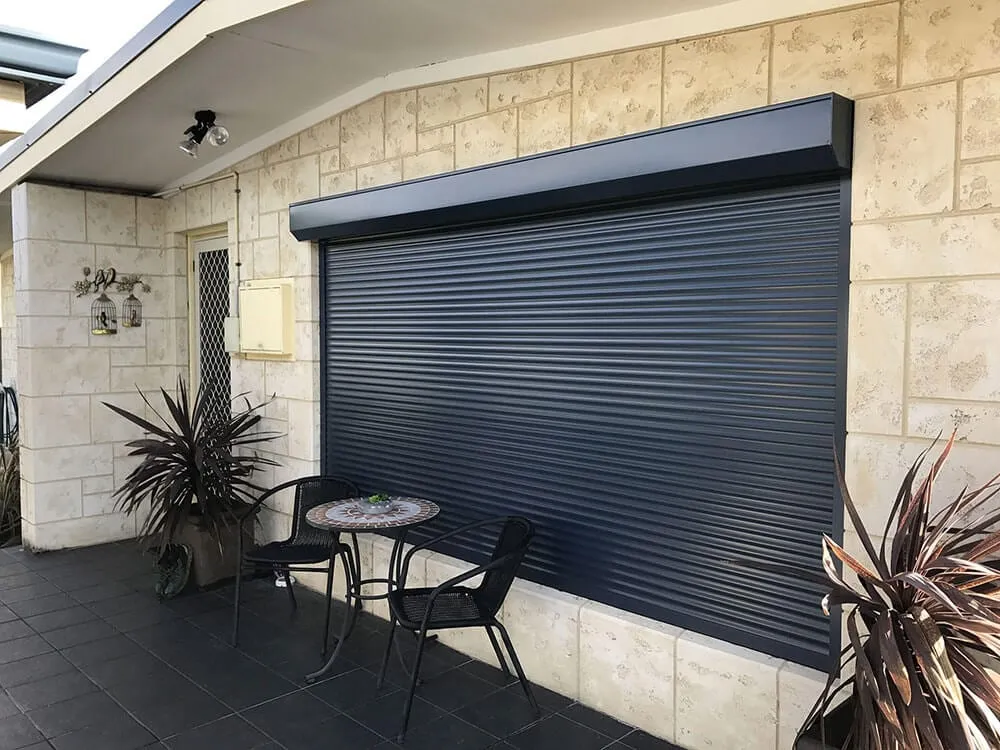
Homeowners often ask whether roller shutters keep cold out in a meaningful way, or whether they are just another window covering. The short answer is yes: when they are correctly specified and installed, roller shutters can reduce cold air blockage, improve indoor warmth, and support noticeable energy savings in winter. They work best as part of a broader draft prevention strategy rather than a stand-alone fix, because the biggest gains come from reducing air leakage around windows and lowering heat loss through the glass.
Unlike interior curtains or blinds, roller shutters create an external barrier that slows wind, limits convection, and forms a small thermal buffer zone between the shutter and the window surface. That buffer can make a real comfort difference on cold nights, especially in exposed homes, upper-floor rooms, and properties with older glazing. In practical terms, the benefit is not only warmer rooms but also less strain on heating systems, more stable temperatures near windows, and fewer cold spots around seating and sleeping areas.
For homeowners comparing winter upgrades, roller shutters are most effective when paired with air sealing, good glazing, and well-fitted frame details. In other words, they do not replace insulation in walls or roofs, but they can meaningfully improve the performance of the whole building envelope.
How Roller Shutters Prevent Cold Air Infiltration
Cold air usually enters a home through a combination of air leaks, frame leakage, and weak points around windows and wall interfaces. Roller shutters help by adding an external barrier that slows wind pressure, reduces direct exposure to cold air, and limits the movement of heat away from the glass. When a shutter closes tightly, it creates a calmer air space outside the window, which helps resist convection and reduces the rate at which warm indoor air is displaced by colder outdoor air. The result is less heat loss, fewer drafts, and a more comfortable room temperature near the glazing.
Roller Shutters as an External Physical Barrier
As an external physical barrier, roller shutters work differently from internal treatments because they stop wind before it reaches the glass. Their interlocking slats form a continuous face that improves convection resistance and helps stabilise a small pocket of still air, often called a thermal buffer zone. That buffer zone reduces the temperature difference across the window assembly, which means less thermal stress and less rapid cooling of the inside pane. In exposed locations, the effect can be especially useful because the shutter also shields the frame from gusts and driving rain. For homeowners planning a retrofit, proper roller shutter installation is critical, because even a well-made shutter will underperform if it sits proud of the reveal, rattles in high winds, or leaves visible edge gaps.
Mechanisms of Cold Air Infiltration Through Windows and Walls
Cold air infiltration happens when outdoor air slips through tiny openings in the building envelope. Common entry points include glazing imperfections, cracked sealant, loose sashes, and worn frame components. Thermal bridging makes the problem worse because conductive materials such as metal frames or poorly broken mounting brackets carry heat away faster than insulated surrounds. Homes with older joinery often also experience side channels that are not perfectly aligned, creating a pathway for air movement. Another factor is the stack effect, where warm indoor air rises and escapes through upper leaks, drawing colder air in through lower openings. Roller shutters do not fix every one of these faults, but they reduce exposure and make those leaks less severe in day-to-day use.
Role of Weatherstripping and Sealing in Draft Prevention
Weatherstripping is one of the most important parts of draft prevention because it turns a good shutter into an airtight one. The best systems use compressive seals that press firmly against the frame when the shutter closes, reducing bypass air. Common seal materials include EPDM rubber, silicone, and brush seals, each chosen for different levels of compression, wear resistance, and noise control. EPDM is durable and resilient in cold weather, silicone handles temperature swings well, and brush seals can work well where sliding friction must stay low. For best results, inspect seals every 12–24 months, or sooner if you notice light, movement, or dust being pulled through the edges. Clean the tracks, check for seal hardening, and replace flattened sections before performance drops.
In practice, the combination of an external barrier, tighter sealing, and better air control is why roller shutters are so effective in reducing winter draughts and improving comfort in exposed homes.
Thermal Insulation Properties of Roller Shutter Materials
The material used in a roller shutter has a strong effect on its thermal resistance, durability, and long-term performance. In simple terms, low-conductivity materials slow the flow of heat better than dense conductive ones, and insulated shutter designs perform better than hollow designs. That said, the material alone does not determine performance. Slat thickness, foam cores, side sealing, and installation precision all influence the real-world R-value of the full system. For cold climates, the goal is not only to choose a material with decent insulating properties but also to preserve that performance over years of use, weather exposure, and repeated opening and closing.
Common Roller Shutter Materials and Their Insulation Properties
Most residential roller shutters are made from aluminum, PVC, or wood composite systems. Foam-filled aluminum is popular because it balances strength with insulation, while PVC offers good low-conductivity performance at a lower cost, and wood composites provide natural insulation with a warmer aesthetic. Typical system-level R-value ranges vary by product quality and seal design:
- Foam-filled aluminum: approx. R 0.35–0.80, depending on foam cores, slat thickness, and side sealing. The foam core improves thermal resistance while the aluminum shell keeps the shutter rigid.
- PVC: approx. R 0.30–0.70, usually helped by low conductivity and air pockets within the profile. PVC performs well where moisture resistance matters.
- Wood composites: approx. R 0.45–0.90, with natural insulation benefits and good resistance to heat flow when well sealed.
These figures are best treated as practical ranges rather than universal standards, because product design and installation quality can shift performance significantly.
Understanding R-values and Their Importance in Cold Climates
R-value is a measure of thermal resistance, or how effectively a material resists heat flow. Higher R-values mean less heat escapes through the window system. In cold climates, that matters because windows are often among the weakest parts of the building envelope. A basic single-glazed window may perform poorly compared with double or triple glazing, but a shutter adds another layer that changes the overall system R-value, not just the component R-value of the glass. For reference, double glazing commonly falls in a broad R-value range of about 0.35–0.60, while triple glazing can sit around 0.55–1.00 or higher depending on spacers and coatings. When a shutter is added, the combined assembly can outperform the glass alone because the shutter reduces convection, wind wash, and radiant heat loss at the outer surface.
Material Impact on Long-Term Insulation Performance
Long-term insulation performance depends on more than the starting R-value. UV degradation can weaken exposed plastics and seals, while repeated compression may cause seal compression set over time. In foam-filled products, the foam core should stay intact and dry, because moisture ingress or panel damage can reduce thermal performance. Good maintenance cycles help preserve seal integrity, prevent warping, and keep the shutter closing evenly so the original thermal benefit lasts longer.
Installation and Design Factors That Maximize Cold Retention
Even the best roller shutter material will underperform if the installation is sloppy. Cold retention depends on precise measuring, correct reveal integration, and careful sealing at every edge. The aim is to create a fitted system with minimal gaps, stable side guides, and a controlled air space between the shutter and the window. In high-performing installations, the gap tolerance should be kept below 3 mm where possible, because larger tolerances can allow wind-driven leakage and reduce the benefit of compressive seals. Thermal breaks, insulating end caps, and low-expansion sealants all help prevent conductive and convective losses around the frame. Professional measuring is particularly important on older homes, where out-of-square openings and uneven brick reveals can create hidden leakage paths.
Best Practices for Installation to Maximize Draft Prevention
The most effective installations begin with a site measure that checks the window opening, frame condition, and likely sources of frame leakage. Installers should verify that shutter guides sit straight, the barrel housing is protected from drafts, and the shutter closes fully without binding. Where practical, integrate the shutter into the frame reveal so the system is sheltered and the edge seal compresses evenly. Use insulating end caps where the design allows, and seal perimeter joints with gun-applied low-expansion foam or neutral-cure silicone to avoid shrinkage and movement. If the project includes replacement seals or guide upgrades, choose weather stripping for roller shutters that matches the shutter profile and local climate. A well-fitted unit should close smoothly, align squarely, and leave no visible daylight around the perimeter. That is what makes draft prevention reliable rather than theoretical.
“Proper shutter installation plays a pivotal role in draft prevention and heat retention. Even the best materials fail if air gaps are present,” — Jane Smith, Certified Energy Auditor, Energy Audit Co.
Maintenance Tips to Preserve Insulation Efficiency
Roller shutters need periodic maintenance to maintain insulation efficiency. Inspect them quarterly during winter, and book a full service annually. Check the tracks, guide rails, seals, motor or crank mechanism, and locking points for dust, wear, or movement. Clean the channels so the shutter can close fully, and replace damaged seals before they harden or flatten. Use a silicone-safe spray lubricant on moving parts where recommended by the manufacturer, and avoid oil-heavy products that attract grime. Seal replacement is usually needed every 3–5 years in harsh weather conditions, while foam or insulated slat components should be checked every 7–10 years for fatigue, UV damage, or dents that may compromise insulation.
Comparing Roller Shutters with Other Window Insulation Solutions
Roller shutters are only one of several ways to improve window insulation, so it helps to compare them with glazing upgrades and interior soft treatments. The main differences come down to cost, installation complexity, air sealing, and whether the solution acts on the outside or inside of the glass. External systems generally do better at blocking drafts, while internal systems may be cheaper and easier to add but offer less resistance to wind-driven heat loss. For many homes, the best outcome comes from combining measures rather than choosing just one.
Pros and Cons of Common Window Treatments
Here is a practical comparison of common options:
| Window Solution | Typical Cost Range | Installation Complexity | Main Advantage | Main Limitation |
|---|---|---|---|---|
| Roller shutters | $500–$1,500 per window | Moderate to high | External draft blocking and strong insulation support | Needs precise fitting and maintenance |
| Double glazing | $800–$2,000+ per window | High | Improves glazing performance at the source | Higher upfront cost, less flexible retrofit |
| Triple glazing | $1,200–$3,000+ per window | High | Excellent thermal performance | Usually most expensive option |
| Thermal curtains | $100–$500 per room | Low | Fast and inexpensive interior upgrade | Limited draft blocking at the window edge |
| Blinds | $80–$600 per room | Low to moderate | Convenient light control | Modest insulation effect only |
Case Study and Data on Energy Savings
Published evidence suggests that external shading and insulating shutters can lower heating demand when they are used on leaky or exposed windows. For example, the SINTEF Building Research publication on window shutters reports that the measured benefit was strongest when shutters were closed overnight and paired with reasonably airtight windows. In an Australian context, the Australian Government’s energy-efficiency guidance and state-based retrofit advice consistently note that reducing window drafts is a practical winter measure in temperate and cool regions.
Example thermographic evidence: in retrofit audits, before-and-after thermal images often show lower surface temperature contrast around shuttered windows, indicating reduced heat leakage at the frame and glass edges. A typical measurement method uses an infrared camera after sunset, comparing the interior surface temperature of a window before and after the shutter is closed. Even where the exact energy saving varies, the visual result is usually clear: fewer cold streaks, less edge cooling, and a more stable indoor comfort zone.
Table: Example pre/post-retrofit outcomes from residential thermal audits
| Measurement | Before shutters | After shutters | Typical Change |
|---|---|---|---|
| Surface temperature difference at window edge | 5–8°C colder than wall | 2–4°C colder than wall | Improved thermal consistency |
| Observed draft sensation near window | Noticeable | Low to moderate | Better comfort |
| Night-time heat loss through exposed glazing | High | Moderate | Reduced loss when shutter closed |
These results do not mean shutters replace glazing upgrades, but they do show that they can produce meaningful winter gains when used correctly.
Energy Efficiency and Heating Cost Savings of Roller Shutters
Roller shutters improve the building envelope by limiting heat loss through windows, which are often a major weak point in older homes. The benefit is greatest in cold or mixed climates where heating runs for long periods and small reductions in window losses can add up over a season. Savings will vary based on local climate, window size, existing insulation, and how often the shutters are closed at night or during cold spells. The more exposed the home, the more likely the shutters are to deliver noticeable comfort and cost benefits.
Quantifying Cost Savings and Comfort Improvements
As a simple example, assume a 150 m² home in a temperate Australian climate uses 18,000 kWh of annual heating energy at a blended cost of $0.30 per kWh, which equals about $5,400 a year. If roller shutters reduce heat loss by 15% across the most vulnerable windows, and that translates into a 5% reduction in total heating energy, the household could save roughly $270 per year. If the improvement is stronger because the home has leaky windows or large exposed glass areas, savings may be higher. Beyond cost, occupants often report fewer cold spots and a more even indoor temperature near seating and sleeping areas.
Enhancing the Building Envelope with Roller Shutters
Roller shutters work best when they are integrated with other upgrades, not used as a substitute for them. A good retrofit sequence is to start with air sealing around frames, then improve attic or ceiling insulation, then consider glazing upgrades where needed, and finally add shutters to exposed windows for extra performance. This order matters because a shutter can reduce heat loss through the window, but it cannot fix leaks in the roof, walls, or floor. When combined with cavity insulation, draught sealing, and double glazing, shutters help create a more continuous thermal barrier and improve the overall building envelope.
Practical Advice for Homeowners to Maximize Cold Weather Benefits
Choosing the right shutter setup comes down to climate, exposure, budget, and the condition of the existing windows. In cold regions, homeowners should focus on products with strong slat structure, reliable sealing, and a finish that can handle moisture and UV exposure over time. The goal is to buy for performance first, then match aesthetics and automation features to the house. If you are comparing products, foam-filled aluminum roller shutters are often the best all-round option where durability and insulation both matter.
Choosing Suitable Materials and Styles for Cold Climates
For cold climates, insulated aluminium shutters with foam-filled slats are usually the most balanced choice. As a guide, look for slat thicknesses in the 8–14 mm range and foam densities around 35–45 kg/m³, which help improve rigidity and thermal resistance without making the shutter overly heavy. PVC shutters can be a good budget option, especially where moisture resistance matters, while wood-composite systems suit homeowners who want a more natural look and decent insulation. Finish also matters: powder-coated surfaces can improve weather resistance, and lighter colours may reduce UV-related ageing on exposed facades. If your home is very exposed, ask for wind-rated guides and stronger end locks.
Maintaining Thermal Performance Over Time
Thermal performance declines when seals wear out, tracks collect debris, or components drift out of alignment. Inspect weather seals regularly and replace them every 3–5 years if they show hardening or flattening. Foam cores and slat surfaces should be checked every 7–10 years for dents, UV fatigue, or moisture damage. Keeping the shutter clean and properly lubricated helps preserve both operation and insulation.
Integrating Roller Shutters with Broader Energy Efficiency Strategies
The best winter results come from combining shutters with other sensible upgrades. A short checklist includes air sealing around windows and doors, improving attic insulation, upgrading weak glazing where budget allows, and using smart controls so shutters close automatically on cold nights. If you are making several changes, do the air sealing first, then insulation, then shutters, because the whole system works better when the building envelope is tight. Homeowners often pair shutters with other energy-efficient window solutions to reduce heating costs and improve comfort across the whole house.
For a broader home-improvement view, it can also help to compare the long-term value of different upgrades before you commit to a retrofit program.
Interested in Custom Roller Shutters?
If you want custom-made, expertly fitted roller shutters tailored to your home, our team can provide professional advice, precise measuring and secure installation. Find out more about our roller shutters Perth. A tailored measure and quote is the best way to confirm fit, sealing detail, and the right material choice for your climate.
Frequently Asked Questions
How do roller shutters prevent cold air from entering my home?
Roller shutters prevent cold air from entering by creating an external barrier that slows wind pressure, reduces convection, and limits drafts around the window frame. For best results, keep seals intact and close the shutters before temperatures drop. If you are comparing options, start with roller shutters on exposed windows.
What materials make the best insulating roller shutters for cold weather?
Foam-filled aluminum is usually the best all-round choice because it combines strength, low conductivity, and a stable foam core. PVC can work well on a budget, while wood composites offer natural insulation. For a more detailed product comparison, review foam-filled aluminum roller shutters.
Can roller shutters save on heating bills during winter?
Yes, roller shutters can reduce heating bills by lowering heat loss through windows and cutting draft-related losses. Savings depend on climate, window size, and usage, but many homes see noticeable comfort gains first. To maximise value, combine shutters with energy-efficient window solutions and good air sealing.
How important is professional installation for roller shutters to be effective?
Professional installation is very important because even small gaps can reduce insulation and let cold air bypass the shutter. Accurate measuring, straight guide rails, and proper seal compression all matter. If you are planning a retrofit, use a trusted roller shutter installation service for the best result.
Are roller shutters better than thermal curtains for stopping drafts?
Yes, roller shutters usually stop drafts better than thermal curtains because they sit outside the glass and block wind before it reaches the window. Curtains help with comfort inside the room, but they do not seal the frame. See our guide on roller shutters vs thermal curtains for details.
Will roller shutters work with existing double-glazed windows?
Yes, roller shutters work very well with double-glazed windows. In fact, they can improve the overall system performance by reducing wind wash, surface cooling, and heat loss around the frame. The key is to ensure the shutter fits cleanly and does not interfere with drainage, opening hardware, or existing seals.
How often should I maintain roller shutters to keep their insulation performance?
Inspect roller shutters quarterly in winter and schedule a full service annually. Clean the tracks, check seal compression, and replace worn weatherstripping every few years if needed. If you need maintenance guidance.
Can roller shutters replace traditional wall or roof insulation?
No, roller shutters cannot replace wall or roof insulation. They improve the performance of windows by blocking drafts and reducing heat loss, but they do not fix heat transfer through the rest of the building envelope. Use them alongside ceiling insulation, air sealing, and other targeted upgrades for best results.