
DIY Roller Shutter Installation: A Complete Guide for Perth Homeowners
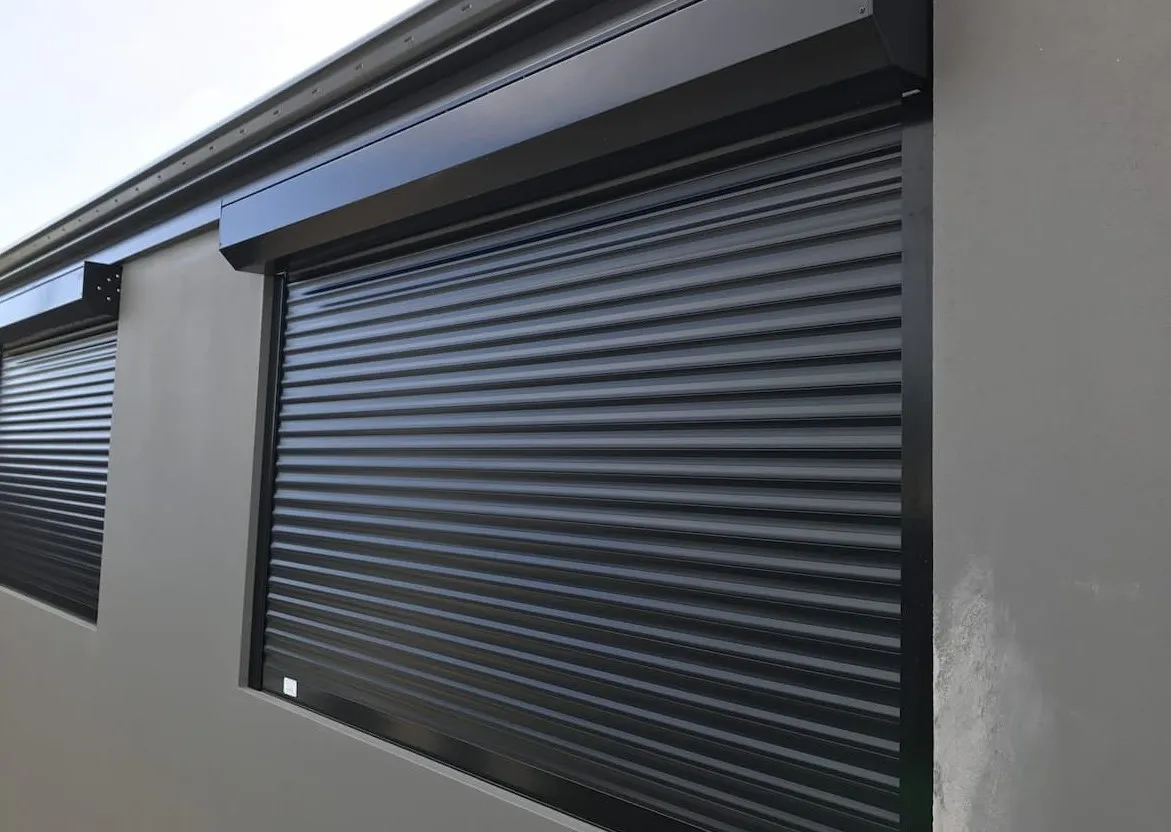
If you’re a Perth homeowner eager to enhance your property’s security, energy efficiency, and privacy without the hefty price tag of professional installation, this guide is for you. Our DIY Roller Shutter Installation: A Complete Guide for Perth Homeowners delivers a thorough, step-by-step approach tailored to local conditions, ensuring your project runs smoothly from start to finish.
For product options, specifications and local availability, see our roller shutters perth.
Roller shutters are more than just aesthetic additions—they are practical features that protect against the intense Perth sun and occasional storms while complementing your existing window treatments. Read on to discover everything you need to know before you start your DIY installation journey.
Understanding Roller Shutters and Their Benefits for Perth Homes
Roller shutters are durable window coverings that roll down to cover openings, made primarily from materials like aluminium and PVC. In Perth’s climate, these materials offer robust protection against heat, wind, and rain, with aluminium shutters excelling in durability and PVC shutters providing a lightweight, affordable option.
Bureau of Meteorology
What Are Roller Shutters? Types and Materials (Aluminium, PVC)
Roller shutters come in several material varieties:
- Aluminium Roller Shutters: Highly durable, resistant to corrosion, and ideal for homes exposed to coastal weather. They provide excellent thermal insulation and security.
- PVC Roller Shutters: More lightweight and cost-effective, PVC options are easier to handle but less durable than aluminium, better suited for moderate climates or interior installations.
How Roller Shutters Complement Other Shades and Window Treatments
Roller shutters work harmoniously with traditional shades, creating layered window treatments that optimise privacy, energy efficiency, and style. For Perth homes seeking enhanced UV protection and style, integrating roller shutters with other shades like Clear PVC Café Blinds offers comprehensive coverage against the sun and weather.
Below is a quick comparison table between roller shutters and common shades to illustrate their complementary benefits:
| Feature | Roller Shutters | Shades |
|---|---|---|
| Security | High | Low |
| Weather Protection | Excellent (wind, rain, sun) | Moderate (primarily sun) |
| Energy Efficiency | Reduces heat gain/loss effectively | Partial – mostly heat reduction |
| Visibility Control | Complete block | Partial block/translucent |
Why Perth Homeowners Choose DIY Roller Shutters Installation
Many Perth residents opt for DIY installation to save on labour costs while ensuring their shutters fit precisely to their unique window openings. Local experience shows that hands-on installation can lead to better custom-fit results and immediate troubleshooting, especially when factoring in Perth’s diverse home exterior types and weather patterns.
Overview of Common Home Exterior Types in Perth (Weatherboard, Brick) and Their Impact on Installation
Perth homes often feature either weatherboard or brick exteriors, each presenting specific challenges for roller shutter installation:
- Brick Exteriors: Require masonry drills and specialised anchors to avoid cracking. Generally provide a strong mounting surface.
- Weatherboard Homes: Mounting must avoid splitting timber; pilot holes and appropriate timber screws are essential.
Understanding these surfaces aids in selecting the correct mounting hardware and prevents damage during installation.
With this foundational knowledge, let’s explore what you’ll need to prepare for your DIY roller shutter installation.
Preparing for DIY Roller Shutter Installation in Perth
Before any physical work begins, preparation is key — both legally and practically.
Local Building Regulations and Permits for Roller Shutter Installation in Perth
Perth homeowners must comply with the Western Australia Department of Planning, Lands and Heritage and local council regulations when installing roller shutters. Some installations may require a Development Approval or a Building Permit, especially if structural changes or heritage-listed homes are involved. It is advisable to contact your local council early to verify permit requirements and ensure compliance with the Australian Building Code Board regulations.
Weather Considerations: Planning Installation Around Perth’s Climate
Perth’s Mediterranean climate features hot, dry summers and mild, wet winters. Installing your roller shutters during dry months limits weather-related delays or damage. According to Bureau of Meteorology data, late spring to early autumn offers the best weather window. Because heavy rains or strong winds can complicate mounting procedures, always track local forecasts and avoid outdoor work on stormy days.
Choosing and Sourcing Roller Shutters and Tools Locally (Suppliers and Hardware Stores in Perth)
For quality and timely access, source your roller shutters and installation tools from trusted Perth suppliers such as:
- Climate Control Solutions Perth
- The Good Guys – Perth branches (for drills and hardware)
- Bunnings Warehouse – widely available screws, brackets, and safety gear
When selecting roller shutters, consider local climate durability and ease of installation. For those considering additional weather protection and style, Perth homeowners can explore Clear PVC Café Blinds, which pair well with roller shutters for comprehensive window treatment solutions.
Additionally, reviewing a comprehensive roller shutters cost breakdown for Perth residents helps anticipate expenses and avoid surprises.
Safety Equipment and Precautions Before Starting the Installation
DIY installation requires adherence to safety protocols to prevent injury. Essential safety equipment includes:
- Protective gloves to guard against sharp edges
- Safety goggles to protect eyes from dust and debris
- Appropriate footwear with non-slip soles
- Hearing protection when using power tools like drills
Consult WorkSafe Western Australia for detailed DIY safety guidance. Never bypass safety steps despite the temptation to speed up the process.
With preparation complete, it’s time to gather the essentials before installation.
Essential Tools and Materials for DIY Installation
Must-Have Installation Tools (Drills, Measuring Tape, Screws, Brackets)
Your toolkit should include the following:
- Power drill with masonry and wood bits: Suitable for drilling into brick or weatherboard surfaces.
- Measuring tape: For precise measurements, ideally a 7.5m retractable steel tape.
- Spirit level and plumb line: To guarantee straight, level installation.
- Hammer and screwdriver set: For securing brackets and screws.
- Self-tapping screws, masonry anchors, and brackets: Matched to the shutter manufacturer’s specifications and local surface type.
- Ladder or scaffolding: Fit for safely reaching higher windows.
DIY Safety Equipment (Gloves, Goggles, Protective Gear)
Reinforcing the importance of safety, have on hand:
- Cut-resistant gloves designed for DIY home improvement
- ANSI-rated safety goggles
- Dust mask when drilling into masonry
- Hard hat if working with overhead structures or in windy conditions
Refer to WorkSafe Western Australia for protective equipment guidelines.
Selecting the Right Roller Shutters Based on Material and Window Type
Roller shutters should complement your window size, type, and external wall. For instance, aluminium shutters work best on larger, exposed windows, while PVC suits smaller or lightly used openings. Consider thermal insulation needs and wind resistance. Match shutter slat widths and mechanisms to the frames for a seamless fit.
Tips for Organising Your Workspace and Materials Before Installation
To work efficiently:
- Clear surrounding areas of furniture or obstacles
- Arrange tools and materials so they’re easily accessible
- Use labelled containers for small screws and anchors
- Lay a tarp or drop cloth under your work area to catch debris
Proper organisation prevents delays and accidental damage to your home or tools.
Now that you’re fully equipped, follow these detailed instructions to install your roller shutters.
Step-by-Step DIY Roller Shutter Installation Process
While this guide provides detailed DIY steps, Perth homeowners seeking a broader installation overview may also find the shutter installation guide for Perth homes beneficial.
Accurate Measurement and Marking Techniques for Perth Homes
Start by measuring your window dimensions to ensure the roller shutter fits perfectly. Use the following method:
- Measure the width and height of the window opening three times at different points (top, middle, bottom for width; left, centre, right for height).
- Record the smallest measurements to avoid shutters being too large.
- Add manufacturer-specified clearance (usually 10-20 mm) for smooth operation.
- Mark bracket positions on the mounting surface using a pencil and level. For brick, drill pilot holes carefully with a masonry bit; for weatherboard, drill smaller pilot holes to prevent timber splitting.
Ensuring accuracy now saves adjustments and misalignments later.
Mounting Brackets and Preparing the Window Frame
Follow these steps for secure mounting:
- Using your marks, drill holes according to the bracket size and wall type.
- For brick, insert masonry anchors firmly into drilled holes.
- For weatherboard, use stainless steel timber screws designed for outdoor applications.
- Attach brackets securely with a screwdriver or drill driver, checking for level and alignment using a spirit level.
- Inspect the stability of the brackets by applying slight pressure.
Installing the Roller Shutter: Stepwise Instructions
- Unpack the roller shutter system carefully, checking all components against the manufacturer’s checklist.
- Place the roller shutter assembly onto the mounted brackets, ensuring the rolling mechanism is positioned properly for window clearance.
- Secure the roller shutter housing with screws or clips as advised.
- Attach the shutter slats to the roller barrel if required, or verify the preassembled roller tension.
- Install the guide rails along each side of the window frame, ensuring a snug fit for smooth shutter travel.
- Test shutter lowering and raising manually or via motor, as applicable, making minor adjustments to brackets or guides for smooth operation.
Testing and Adjustments for Optimal Operation
Trial runs are essential:
- Open and close the shutter several times to identify sticking or misalignment.
- Tighten or loosen screws on brackets and guides as needed.
- Check shutter tension or motor function according to manufacturer guidelines.
- Ensure seals are flush with window frames to prevent drafts or water ingress.
Complementary Tips for Installing Shades Alongside Roller Shutters
For enhanced sun protection and style, installing shades alongside your roller shutters offers layered defence. Integrating solutions like Clear PVC Café Blinds with your roller shutters boosts energy efficiency and privacy. Plan mounting so that shades do not interfere with shutter operation, and use complementary colour schemes for aesthetics.
Understanding shutter installation guide for Perth homes further benefits those seeking a broader perspective beyond DIY specifics.
Referencing timing strategies with how long roller shutter installation takes in Perth helps schedule your project efficiently.
Common Installation Challenges and How to Overcome Them
Dealing with Different Home Exterior Surfaces (Weatherboard vs. Brick)
When working on brick, take care to use a hammer drill with the right bit to avoid cracking masonry. Use masonry anchors for secure attachment.
For weatherboard exteriors, pre-drilling with a smaller bit reduces timber splitting risk; pick corrosion-resistant screws rated for external use on timber.
Troubleshooting Misalignments and Mounting Issues During Installation
Misalignment is common but fixable by:
- Loosening screws and realigning brackets with a spirit level
- Ensuring guide rails are parallel and clear of debris
- Checking shutter slat connections for smooth sliding
If problems persist, consult the ultimate guide to roller shutter troubleshooting in Perth for expert solutions.
Handling Weather Disruptions and Ensuring Safety
Should weather interrupt installation, always store shutters and tools indoors to prevent damage. Safety indoors or during wind is critical—avoid ladder use in high winds. Monitor official weather alerts to plan your work accordingly.
Avoiding Common DIY Mistakes That Lead to Shutter Malfunction
Key pitfalls include:
- Inaccurate measurements causing poor fit or operation
- Using incorrect hardware for exterior wall type
- Neglecting safety gear or procedures during drilling and mounting
- Forgetting to test shutter movement before finalising fixation
Prevention comes from patient adherence to instructions and safety protocols, ensuring a professional-looking and functioning installation.
After installation, following roller shutter maintenance tips for Perth homeowners helps prolong performance and appearance.
DIY roller shutter installation in Perth is a highly achievable project that, with the right preparation and tools, can save money and add lasting home value. Understanding local regulations, weather influences, and common challenges prepares you for success. With precision measurements, quality equipment, and patience, you can master installation safely and effectively.
Ready to get started? Gather your tools, check your permits, and transform your windows with confidence today!
Frequently Asked Questions
What are the main differences between aluminium and PVC roller shutters?
Aluminium roller shutters are highly durable, corrosion-resistant, and offer superior thermal insulation, ideal for harsh climates. PVC shutters are lightweight, more affordable, and easier to handle but less durable, best suited for moderate climates or interior use.
How do roller shutters improve home security compared to traditional shades?
Roller shutters provide a physical barrier against intruders, significantly enhancing security. Traditional shades offer minimal security as they mainly block light but do not prevent forced entry.
Why should Perth homeowners consider local weather when scheduling roller shutter installation?
Perth’s climate features hot, dry summers and wet winters, so installing roller shutters during dry months reduces weather delays and damage risk, ensuring safer, more efficient installation.
What safety equipment is essential when performing a DIY roller shutter installation?
Key safety gear includes protective gloves, safety goggles, dust masks (for masonry drilling), non-slip footwear, and hearing protection when using power tools to prevent accidents and injuries.
How do roller shutters and shades complement each other in window treatments?
Roller shutters block light, weather, and enhance security, while shades provide partial light control and style. Together, they layer privacy, energy efficiency, and UV protection for better overall window treatment.
When is the best time of year to install roller shutters in Perth?
The optimal time is between late spring and early autumn when Perth experiences dry, calm weather, reducing complications from rain or wind during installation.
Which tools are necessary for mounting roller shutters on brick versus weatherboard homes?
Brick requires a hammer drill with masonry bits and masonry anchors for secure fixing. Weatherboard needs smaller pilot holes and corrosion-resistant timber screws to avoid splitting the timber.
What is a roller shutter and how does it function?
A roller shutter is a window covering made of horizontal slats that roll up and down within side guides, providing protection against weather, heat, and security threats by fully covering the opening.