
1. Introduction
If you want to boost your home’s security and energy efficiency without breaking the bank, DIY roller shutter installation is a rewarding option for Perth homeowners. With the right approach, you’ll gain better insulation, noise reduction, and increased privacy—without the cost of professional installation. In Perth’s climate, roller shutters make a tangible difference to year-round comfort and peace of mind.
For professional solutions or more product options, check out window shutters Perth.
2. Project Overview (At-a-Glance)
- Time Investment: 2–4 hours per window (add extra time for a first-time install)
- DIY Skill Level: Intermediate—requires accurate measuring, drilling, and basic levelling
- Key Skills Needed: Measuring, marking out, safe use of drills, fixing into masonry/timber, basic wiring awareness
- Safety Precautions: Personal protective equipment (PPE), safe ladder/platform use, mains wiring only by licensed electrician
Expert Insight: “If you can hang a door, you can handle roller shutters. Take your time with measuring and marking to ensure a smooth install.” — Mark Ellis, Installer (Perth)
3. How Roller Shutters Work & Key Benefits
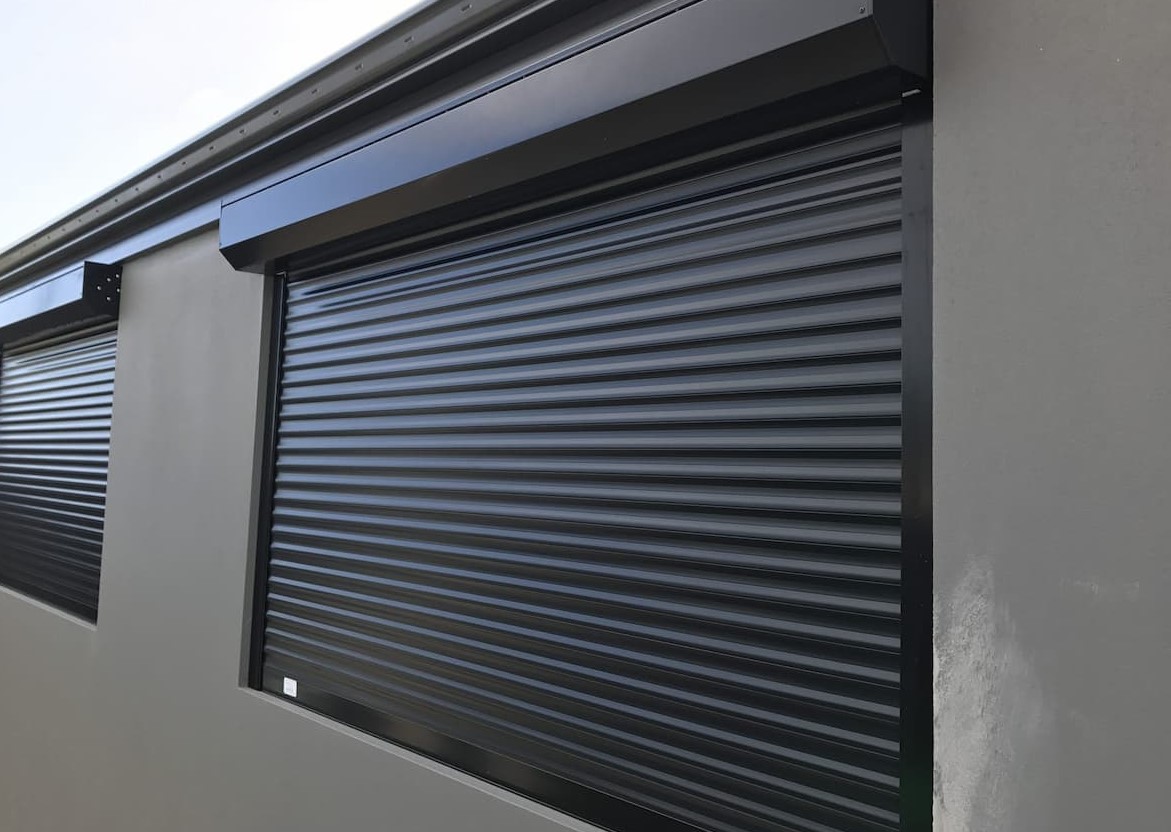
Roller shutters are a set of interlocking horizontal slats, made from aluminium, steel, or PVC. Guided by side tracks and housed in a headbox above the window, roller shutters move up and down using manual or motorised operation.
- Security: Deters intruders with a physical defence
- Thermal Efficiency: Blocks out summer heat and reduces winter heat loss
- Noise Reduction: Lowers traffic and neighbourhood noise at the window
- Light & Privacy Control: Adjustable from full blackout to filtered daylight
- Weather Protection: Shields glass from severe storms and flying debris
- Headbox: Top housing unit for the rolled shutter curtain
- Guide Rails: Vertical tracks that keep the curtain aligned
- Slats: Interlocking segments forming the shutter curtain
- Limit Stops: Mechanical/electronic stops defining full-open and closed positions
- Manual Override: Allows operation during power failure on motorised units
4. Preparation: Tools & Materials Required
- Hammer drill with masonry and timber bits
- Screwdriver set (manual or powered)
- Measuring tape, pencil or marker
- Level (600–1200 mm) and builder’s square
- Stud/cable/pipe detector
- Safety glasses, gloves, ear protection
- Wall plugs/anchors and fixings for your wall type
- Rivet gun (if guides require riveting)
- Silicone sealant, applicator and wipes
- Drop cloths or sheets
- Sturdy stepladder or scaffold platform
- Roller shutter kit (including curtain, headbox, guides, fastenings, and motor if applicable)
5. Planning & Measuring Your Windows
5.1 Pre-Installation Site Check
- Confirm space above window for headbox and cable access
- Check wall material—brick, render, cladding, or timber frame affects fixings
- Look for obstacles: awnings, downpipes, external lights, sensors, security screens
5.2 Measuring Up (Cluster: Measure, Mark, Order)
- Measure window width at top, middle, and bottom—use the smallest value for accuracy
- Measure height left, centre, and right—record the smallest number
- Refer to your manufacturer’s guide to allow for guide rails and headbox sizing
- Double-check everything before making holes or ordering
6. Mounting Types: Face-Fit vs Reveal-Fit
Reveal-Fit (In-Recess): Hardware fits within window opening for a less visible look. Needs more clearance depth.
- Face-Fit Pros: Strong weather protection, simple wiring/cable routing
- Face-Fit Cons: More visible, may clash with eaves if not measured correctly
- Reveal-Fit Pros: Discreet finish, ideal for heritage frontages
- Reveal-Fit Cons: Tight tolerances, possible loss of window opening area
Expert Tip: “Double-check reveal depth before opting for in-recess installs. Leave clearance for smooth operation.” — Jaylyn Rowe, Window Fitter
7. Step-by-Step DIY Installation Guide
-
Prepare the Area
- Remove obstacles from around window; lay drop sheets
- Set up ladder/platform safely—ensure stable footing
-
Mark Out & Pre-Drill
- Use level to mark guide rail positions—plumb and square for a smooth roll
- Mark screw holes; pre-drill according to wall type
- Install wall plugs/anchors where needed
-
Install Brackets & Headbox
- Fix brackets per manufacturer’s specs—double-check for level and alignment
- Dry-fit headbox for curtain/eaves clearance before final fastening
-
Attach Guide Rails
- Mount guide rails loosely first; check that both are perfectly plumb and parallel
- Secure, tightening all screws top-to-bottom; seal edges with silicone
-
Mount the Roller Shutter
- Lift roller shutter onto brackets; ensure slats are positioned evenly
- Check curtain operates smoothly by hand as a dry test
-
Motor Connections (If Applicable)
- Route low-voltage/battery/sensor/solar wiring as per instructions—never DIY 240V mains!
- Only a licensed electrician can connect mains power in WA
-
Set Motor Limits & Test
- Set open/close stops according to motor manual
- Cycle shutter several times; listen and watch for smooth travel
- Test remote, switches, and manual override
-
Finishing Touches
- Seal penetrations, tidy up cabling with clips or conduit
- Clean headbox/guides; remove debris and protective films
8. Electrical & General Safety
- Never attempt DIY mains wiring—WA law requires licensed electricians for all 240V connections
- Check for electrical wires and plumbing using a cable detector before drilling
- Use appropriate PPE: gloves, eye and ear protection
- Work from secure, level ladders or platforms; for tall installs, consider scaffolding
- Follow manufacturer’s torque and fastener recommendations
9. Commissioning and Testing Checklist
- Shutter stops at correct fully open and fully closed positions
- No light gaps at guide edges when fully down (even, minor gaps acceptable)
- All controls (remote, manual override, or wall switch) responsive
- Silicone seals neat and unbroken, no moisture ingress risk
- 3 full up-and-down operations—no scraping, catching, or excess noise
10. Troubleshooting Guide
- Shutter Runs to One Side: Re-check that guides are vertical; confirm headbox is straight and slat connections are true
- Motor Stops Early: Limits may need resetting; inspect for blockages/debris in tracks
- Rattles or Vibrations: Tighten all fastenings; install weather brush seals if included
- Remote Not Responding: Replace batteries, re-pair device, check isolation switch
11. Maintenance Tips
- Clean slats/guides with soapy water (no high-pressure hoses). Dry after washing.
- Visual inspection of fixings and seals every 6 months for corrosion or wear
- Annual lubrication of guide rails with a silicone-based spray (avoid greasy oils)
- After storms, clear any leaves or debris from guides and check sealant edges
Pro Tip: “Routine cleaning and a quick check after wild Perth weather can add years to your roller shutters.” — Louise Warner, Building Inspector
To keep your shutters running smoothly after installation, follow these roller shutter maintenance tips tailored to Perth conditions.
12. Costs & Budgeting in Perth
DIY kit costs: Typically $300–$1,500 per standard-sized window, varying by material, size, and operation (manual or motorised). Add for remote or smart controls, solar/battery packages, or specialised finishes.
- Manual systems: More affordable, few moving parts
- Motorised (mains): Higher upfront cost, installation by electrician required
- Solar/battery: No mains cabling; higher initial investment, lower running cost
For quotations and comparisons, see roller shutters in Perth.
Budgeting your project? For a full breakdown of materials, labour and optional upgrades, see our roller shutters perth price guide.
13. Comparisons (Materials and Operation Types)
13.1 Material Comparison
| Material | Insulation / Noise | Security | Corrosion Resistance | Notes |
|---|---|---|---|---|
| Aluminium | Very good | Good | Excellent | Lightweight, suited for homes; added foam boosts insulation |
| Steel | Good | Excellent | Good | Best for high-security; heavier with more robust fixings |
| PVC/uPVC | Good | Fair | Excellent | Lightweight, corrosion-proof; ideal for coastal suburbs |
13.2 Operation Type Comparison
| Operation | Convenience | Complexity | Recommended Use | Notes |
|---|---|---|---|---|
| Manual Strap | Basic | Low | Small windows | Budget-friendly, needs inside box |
| Manual Crank | Better | Low–Medium | Medium windows | For areas without power supply |
| Motorised (Mains) | High | Medium | Perth homes (Retrofitting or new builds) | Professional wiring needed |
| Solar/Battery | High | Medium | Retrofits & Energy-efficient homes | No mains cabling required, works well in sunny areas |
14. People Also Ask
How long does it take to install DIY roller shutters?
For first-timers, allow a half-day per window. With experience, it’s 2–3 hours per unit.
Do roller shutters help with Perth’s summer heat?
Absolutely—they block solar energy at the glass, keeping interiors noticeably cooler.
Can I install roller shutters on brick veneer or cladding?
Yes, provided you use the proper anchors and fix into solid structural sections.
What ongoing maintenance do motorised shutters require?
Regular cleaning, annual motor inspection, and periodic seal/lubrication checks.
Is it safe to install roller shutters on upper-storey windows?
Yes, but use appropriate ladders, platforms, or hire scaffold for working at height safety.
15. FAQs
What materials are roller shutters made from?
Roller shutters typically use aluminium, steel, or PVC/uPVC to balance insulation, strength, and durability.
Is DIY roller shutter installation possible for most homeowners?
Yes—if you follow the kit instructions, use correct tools, and engage an electrician for any high-voltage connections, most DIYers can achieve a neat result.
How do roller shutters boost energy efficiency?
They add an insulating layer, reducing summer heat gain and winter heat loss, thereby cutting your heating and cooling bills.
Are roller shutters effective against break-ins?
Yes, roller shutters create a physical and visual barrier that deters most intruders—and many insurance companies offer discounts on cover for homes with installed shutters.
What is the average cost for roller shutters in Perth?
Costs generally run between $300 and $1,500 per window—final price depends on size, operation, and material choice.