
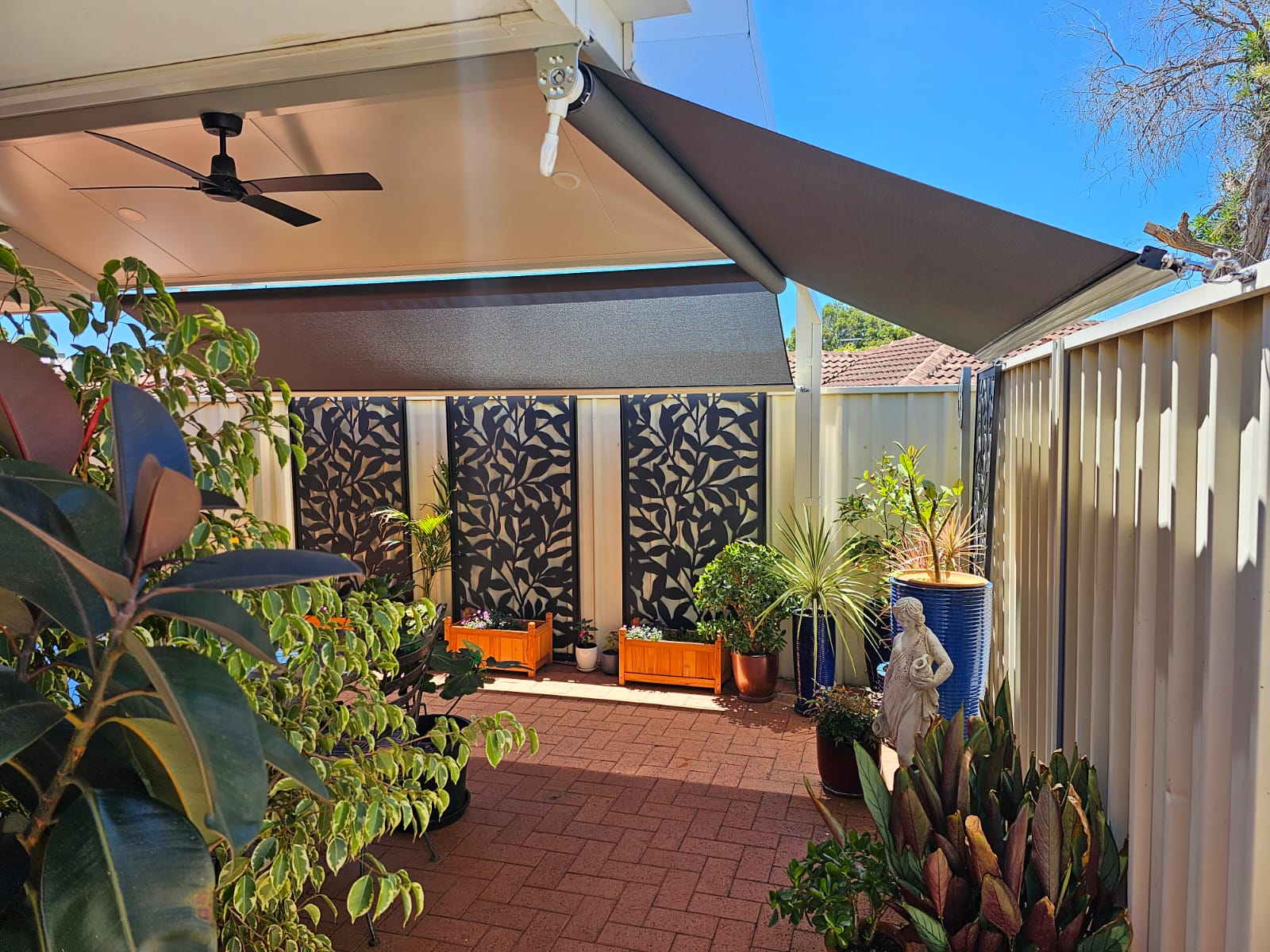
DIY Crank Handle Blinds: The Complete Perth Installation & Maintenance Guide
Are you looking to enhance your home’s aesthetics and functionality with diy crank handle blinds? This comprehensive guide will walk you through the entire process—from measuring your windows to installing brackets and setting perfect tension. You’ll also get pro tips for Perth conditions, fabric choices, safety, and ongoing care. Get ready to transform your living space!
- Skill level: Confident DIYer
- Time: 60–120 minutes per blind (allow longer for masonry)
- Best for: Alfresco, patio, pergola, verandah, and large windows
Table of Contents
- Understanding Crank Handle Blinds
- How to Measure Crank Blinds
- Mounting the Brackets
- Achieving Proper Tension in Blinds
- Frequently Asked Questions
Understanding Crank Handle Blinds
Crank handle blinds are a stylish and practical solution for controlling natural light and privacy. They operate via a manual crank mechanism, allowing you to easily adjust the blinds to your desired position. These blinds are increasingly popular in Perth due to their versatility, durability, and ease of use in alfresco and patio areas.
Why Choose Crank Handle Blinds?
- Easy operation for large spans and hard-to-reach windows—no cords, chains, or power required.
- Enhanced control over light, glare, and privacy—ideal for outdoor entertaining areas.
- Durable, low-maintenance hardware with corrosion-resistant components for coastal Perth conditions.
- Flexible fabric options—clear PVC for wind protection or mesh sunscreen fabrics for airflow and UV control.
- Budget-friendly compared with motorised systems, with the option to upgrade later.
How to Measure Crank Blinds
To ensure a perfect fit for your diy crank handle blinds, accurate measurements are crucial. Follow these steps and use a steel tape for precision.
Before You Start
- Confirm the mount type: inside mount (reveal fit) or outside mount (face fit).
- Check for obstructions: handles, downpipes, gutters, lights, and sloping soffits.
- Note substrate: brick, timber, or plasterboard—this affects bracket selection and fixings.
- Measure the width of your window frame at three points: top, middle, and bottom. Use the smallest measurement.
- Measure the height from the top of the window frame to the window sill.
- Consider the type of mount: inside mount or outside mount. Adjust measurements accordingly—inside mounts require precise frame measurements; outside mounts require added overlap for coverage.
Tip: Use a steel tape measure for precise measurements.
Need a step-by-step measuring checklist? Our guide on How to Measure Blinds includes printable templates and common conversion tips.
- Inside: Sleek look; needs square, unobstructed reveals and exact sizing.
- Outside: Maximises coverage; hides uneven openings; allows extra overlap for light block and weather protection.
| Feature | Inside (Reveal Fit) | Outside (Face Fit) |
|---|---|---|
| Look | Minimal, built-in appearance | Bolder, frames the opening |
| Light Gaps | Small gaps possible at sides | Reduced gaps with overlap |
| Best For | Square reveals, indoor windows | Outdoor areas, uneven openings |
Before purchasing your materials, it’s important to consider the overall crank handle blinds cost in Perth to budget accurately for your outdoor makeover.
Mounting the Brackets
Once you’ve measured your window, it’s time to mount the brackets. Follow these steps for a successful installation. Use a level to keep everything straight and a helper if the blind is heavy.
- Mark the bracket locations on your wall or window frame based on your measurements.
- Use a level to ensure your brackets are straight.
- Drill pilot holes and secure the brackets with screws.
- Brick/Masonry: Use masonry anchors or wall plugs; pre-drill with a masonry bit. Avoid mortar joints for primary fixings.
- Timber: Fix to studs or structural beams with appropriate wood screws. Pre-drill to prevent splitting.
- Plasterboard: Span into timber studs or use structural anchors rated for the load—do not rely on plasterboard alone outdoors.
Be sure to use suitable screws and anchors for the material of your window frame or wall. If you prefer professional installation or want detailed tips for different wall types (brick, timber, plasterboard), check our Installation Guide.
Expert insight: “For coastal suburbs, choose stainless steel 316 fixings and gearboxes with corrosion-resistant coatings. It’s a simple choice that dramatically increases lifespan.” — Senior Installer, Perth
Achieving Proper Tension in Blinds
Proper tension is essential for a smooth, safe, and long-lasting blind. It prevents slipping, sagging, and uncontrolled retraction.
- Install the blind mechanism according to the manufacturer’s instructions.
- Adjust the tension by turning the crank handle until the blinds operate smoothly and hold position without slipping.
- Test the blinds multiple times to ensure they hold their position under load (e.g., fully extended and partially raised).
- If blinds retract too quickly, reduce tension gradually and retest.
- If the blind won’t raise or sags, increase tension in small increments.
- Look for fabric tracking to one side—re-level the tube and check bracket alignment.
Tools & Materials Checklist
- Steel tape measure, pencil, and spirit level
- Power drill with timber and masonry bits
- Appropriate fixings: masonry anchors, wall plugs, or timber screws
- Crank handle, gearbox, brackets, and mounting hardware
- Safety gear: glasses, gloves, and a stable ladder
Crank vs Motorised Blinds (Quick Comparison)
Deciding between manual and powered operation? Consider the trade-offs below, and dive deeper in our detailed guide on Crank vs Motorised Blinds.
| Feature | Crank (Manual) | Motorised |
|---|---|---|
| Power | No electricity required | Mains or battery |
| Ease of Use | Simple hand operation | Push-button or app |
| Cost | Lower upfront | Higher upfront |
| Maintenance | Minimal moving parts | Motors and remotes to service |
| Best For | Budget-friendly DIY, rentals, windy sites | Convenience, hard-to-access heights, automation |
Fabric Options & Climate Tips
Choosing the right fabric ensures comfort, longevity, and performance in Perth’s sunny, coastal climate. For DIY installation, the right fabric is crucial. Check out our crank blinds fabrics guide to learn which materials are best suited for your intended use.
| Fabric | UV/Heat | Wind/Weather | Privacy/View | Care |
|---|---|---|---|---|
| Mesh (Sunscreen) | Excellent UV block; good airflow | Good wind resistance with proper anchoring | Daytime privacy, outward view | Low maintenance |
| Clear PVC | Blocks wind; retains warmth | Great for weather protection | No privacy; clear views | Regular gentle cleaning to prevent clouding |
People Also Ask
Are crank handle blinds easy to install for a first-time DIYer?
Do crank blinds work in windy Perth suburbs?
What’s the difference between crank blinds and track-guided systems?
Can I upgrade to motorised later?
How much do crank blinds cost in Perth?
Step 5: Finishing Up
Once the blinds are installed, give them a gentle test down and up. Check for smooth movement and that all components are secure. If anything feels tight or unsteady, review your installation steps or make further adjustments. Don’t forget to schedule regular crank blinds maintenance to ensure long-lasting performance and avoid future issues.
After you finish installing crank handle blinds in Perth, make sure to check all fastenings and ensure the blind moves smoothly. Regular checking ensures long-term durability and optimal performance.
After successfully installing your DIY blinds, it’s essential to follow best practices for ongoing upkeep. Our Crank Blinds Maintenance in Perth guide offers expert insights to keep your blinds operating smoothly.
Frequently Asked Questions
1. How do I maintain crank handle blinds?
Regularly clean the blinds with a soft cloth and mild soapy water, rinse, and dry. Lubricate moving parts lightly if recommended by the manufacturer. Inspect fixings and fabric each season for signs of wear or corrosion. For more detailed maintenance schedules and cleaning tips, see our maintenance post: Blind Maintenance.
2. Can I install crank handle blinds myself?
Yes, with the right tools and accurate measurements, DIY installation is achievable. Follow the measuring and mounting steps above, and consult the installation guide if you encounter unusual wall materials or heavy-duty fittings. Want to know more about automation options versus a manual system? Our detailed guide on Crank vs Motorised Blinds covers the pros, cons, and considerations to help you choose the right solution.
3. What if my windows are an unusual size?
Custom sizes are available, and many suppliers offer options for non-standard windows. Measure carefully and contact a supplier with your dimensions for a custom quote.
4. Are crank handle blinds suitable for outdoor use?
Some crank handle blinds are designed for outdoor use; check product specifications for weather-resistant fabrics and corrosion-resistant hardware. Browse our outdoor-specific range on the product landing page linked below.
5. How do I know which material to choose for my blinds?
Consider the local climate—lightweight, UV-resistant materials help with heat management in Perth, while heavier fabrics provide improved insulation. Speak with our product specialists via the contact or quote page linked below for tailored recommendations. For DIY installation, choosing the right fabric is crucial for longevity and performance. Check out our crank blinds fabrics guide to learn which materials are best suited for your intended use.
Conclusion
Installing diy crank handle blinds can enhance both the aesthetics and functionality of your home in Perth. By following this guide and using the linked resources for measuring, installation, and maintenance, you’ll be well on your way to achieving the perfect look for your space. To get a custom quote or book an installation, visit our Get a Quote page.
Interested in learning more about crank handle blinds cost Perth before making your decision? Review our in-depth breakdown for price guidance and tips to help you budget effectively.