
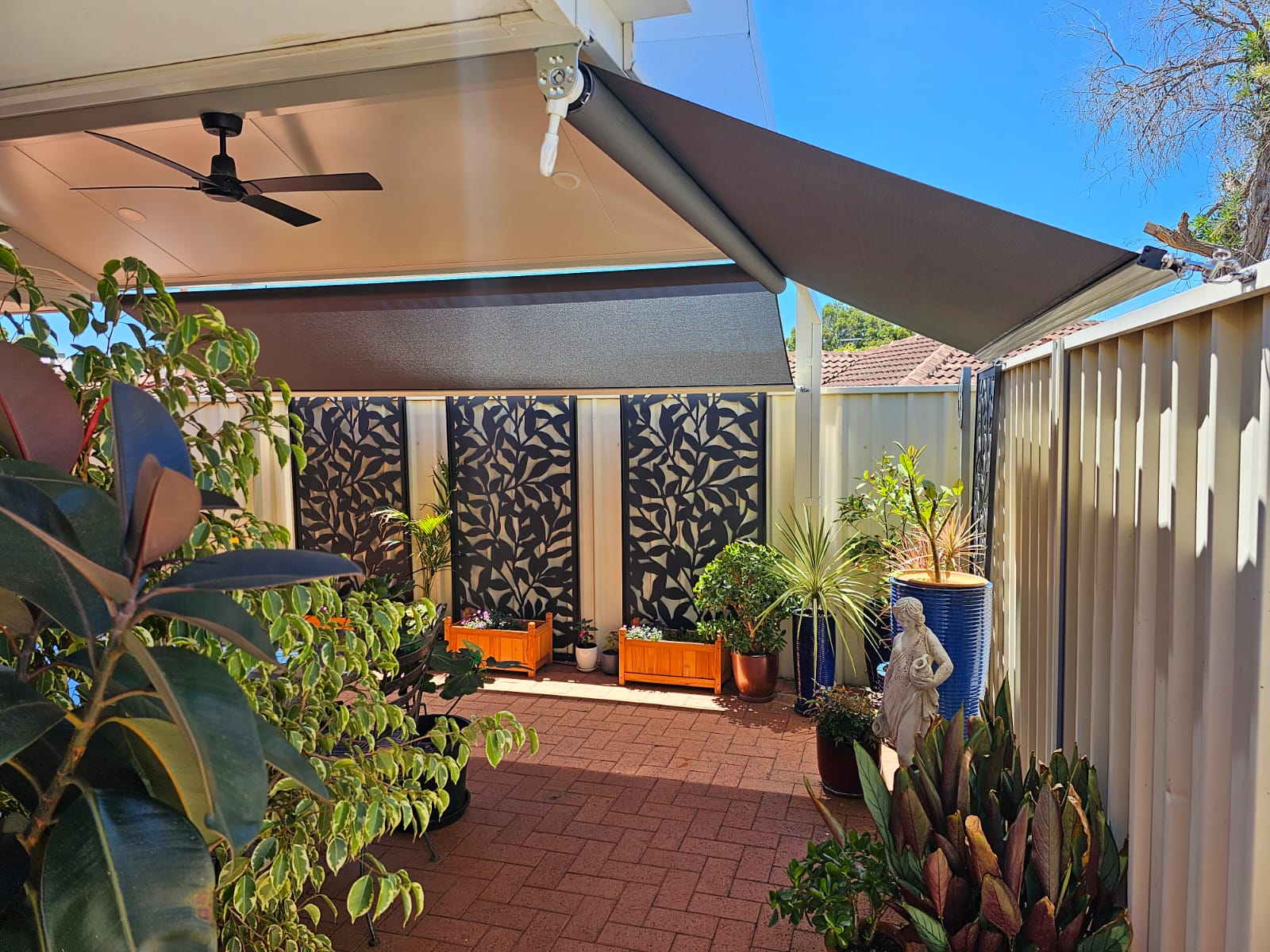
Explore the differences between crank vs motorised blinds for Perth—compare convenience, durability, costs, smart home compatibility, and installation tips to find the best solution for your lifestyle.
While both crank and motorised blinds offer top-tier weather protection, they vary greatly in daily experience and maintenance. For DIYers and careful owners, proper crank blinds maintenance extends the product lifespan, enhances curb appeal and keeps operation smooth, especially in Perth’s coastal climate.
Introduction
The modernization of outdoor living in Perth brings a pivotal choice: crank vs motorised blinds. Both crank handle blinds in Perth and motorised blinds are sought for patios, alfrescos, balconies and outdoor entertaining. Choosing the right style goes beyond budget—think automation, accessibility, maintenance, and how you want to use your space. This in-depth guide stands as your pillar post, structuring all the must-know information, real-world pricing, and local installer tips to help you decide confidently. For broader solutions, our Outdoor Blinds Perth guide has more options purpose-built for Perth’s unique demands.
Understanding Blinds: Basics & LSI
Outdoor blinds do more than shield from sun—they provide privacy, block wind, reduce glare, cut cooling costs and can enhance the design of modern homes. With several operation methods, fabric choices and feature upgrades, it’s wise to weigh all options before installation.
- Common locations: patios, alfresco zones, balconies, courtyard, café fronts.
- Popular materials: Clear or tinted PVC, woven mesh fabrics (multiple openness ratings), acrylic canvas, powder-coated aluminium hardware.
- Perth-specific performance traits: High UV stability, corrosion resistance, cyclone-rated wind locking systems, and ease of cleaning after sea breeze events.
- Related LSI: “weather-resistant outdoor blinds”, “Wind rated alfresco blinds”, “UV-protective mesh blinds”, “custom outdoor solutions Perth”, “energy-efficient blinds”, “privacy screens”, “patio shade systems”, “patio blinds Perth”, “blind hardware corrosion”
Expert Insight: “Look for marine-grade powder coatings and UV-tested mesh—from Scarborough to Rockingham, quality finishes stand up to salt and sunlight, delivering best-in-class lifespan for Perth homes.” — Local blind installer
Crank Blinds (Manual)
What Are Crank Blinds?
Crank-handle blinds use a removable rod, allowing you to raise or lower the blind at your own pace. The user manually adjusts the height and tightness, giving direct feedback and tactile control. They suit smaller areas or simple DIY projects where cost is a main driver.
Semantic Cluster: Manual Outdoor Blinds
- Hand crank blinds Perth
- Manual outdoor shade
- Wind-up patio blinds
- Non-motorised mesh blinds
- DIY outdoor blind solutions
Advantages
- Budget-friendly: Among the most affordable for both product and install.
- Simple mechanics: No batteries, electronics or complex parts to fail.
- Precision control: Raise to any height for tailored airflow or privacy.
- Low maintenance: A rinse and some periodic lube keep things moving.
Drawbacks
- Manual work required—effort increases with size and frequency of use.
- More visible hardware than motorised systems.
- Less suitable for large/heavy blinds or frequent adjustment.
- Needs accessible height—upper storey not ideal.
Installer Tip: “For 1–2 well-placed alfresco drops, you’ll rarely beat manual cranks for value and simplicity. Multiple panels or upstairs? Don’t sweat it—go electric and simplify daily living.”
Motorised (Electric/Smart) Blinds
What Are Motorised Blinds?
Motorised (sometimes called electric or automated) blinds use a tubular motor inside the blind, controlled by remote, wall switch, smartphone, or even voice assistant via smart home integrations. Programmable timers and environmental sensors add a new dimension of hands-off comfort and security.
Semantic Cluster: Smart Home Blinds
- Motorised patio blinds
- Smart outdoor shades
- Remote control alfresco blinds
- Automated pergola blinds
- Home automation compatibility
- Smart sensors and scheduling
- Voice assistant blinds
Advantages
- Unmatched convenience: Move single or multiple blinds at once—via button, sensor or schedule.
- Perfect for large, high, or grouped installs: Eliminate manual strain entirely.
- Sleek design: Minimal external hardware, cleaner lines.
- Integrates with home ecosystems: Set routines, sync with weather, or automate for extra security/privacy.
Motor Types & Power Options
- Battery motors: Rechargeable or replaceable—no need for hardwiring.
- Low-voltage DC wired: Efficient, quiet, slim power supply (often run alongside lighting).
- 240V hardwired: For largest blinds; must be installed by a licensed electrician.
- Manual override: Optionally, can operate manually during power failure.
Drawbacks
- Higher upfront investment—motor, remote, power supply and programming add cost.
- More complex repair/service if faults arise.
- Occasional recharging or battery replacement required (for battery models).
Installer Insight: “Powered blinds offer effortless control, safety for hard-to-reach windows, and boost property value, but always ask about local after-sales support and upgrade pathways.”
Cost Comparison
Outdoor blind pricing in Perth varies on size, material, brand, and operation mode. Below is a summary using real-world ranges for “standard” single panel installs:
| Feature | Crank Blinds | Motorised Blinds |
|---|---|---|
| Supply | $100 – $300/blind | $300 – $800/blind |
| Installation | $100 – $200 extra (DIY or pro) | $150 – $400 extra (licensed electrician for wiring) |
| Smart Features | Not available | Remote/app/sensor automation (+$80 – $250) |
| Durability | 10+ years (if maintained) | 7–10 years for motors; fabric equal to manual |
| Maintenance | Low; periodic rinse/lube | Batteries/charging; annual check for electronics |
5-Year Total Cost of Ownership: Example
| Consideration | Crank (per blind) | Motorised (per blind) |
|---|---|---|
| Initial Spend | Lower | Higher |
| Running Costs | Minimal (manual only) | Battery/electricity (minor) |
| Service/Repairs (avg.) | Rare; low cost | Possible motor repair/replacement after 5–7 years |
Pros & Cons Overview
| Crank Blinds | Motorised Blinds | |
|---|---|---|
| Convenience | Manual winding; suits infrequent use | Effortless; control multiple blinds together |
| Accessibility | Needs to be physically reachable | Perfect for tall windows or grouped panels |
| Maintenance | Very low (no electronics) | Occasional battery/service checks |
| Visual Aesthetics | Standard hardware visible | Minimal, uncluttered finish |
| Smart Integration | Not available | Timers, voice, automation |
| Budget | Lowest entry cost | Premium investment |
| Upgradability | Some can retrofit to motor | Upgradeable to new home tech |
Convenience vs Durability
For Perth’s sea breezes, UV and salt exposure, hardware reliability and day-to-day usability are equally crucial. Manual blinds are favoured for simplicity: less chance of failure, and you’re not reliant on power. Motorised blinds, on the other hand, offer an irresistible “smart lifestyle” experience but need careful selection of motors and weatherproof seals for longevity. Ask for IP-rated outdoor motors—look for 5-year+ warranties in the harsh WA climate. Explore our Ziptrak blinds article to weigh specialty locking systems and tough performance for Perth sites.
Perth Essentials Checklist
- Salt and breeze: Regular fresh water rinse for all hardware—prevents corrosion and extends life.
- Wind events: Secure lock-down mechanisms (Ziptrak, channel guide, or bottom bar locks). Motorised? Add wind sensors for auto-retract safety.
- UV & heat: Choose solution-dyed, UV-stabilised mesh for colourfastness.
- Blackout/privacy: Seek fabric options that balance light, privacy and thermal comfort.
- Power cuts: Ask about manual override or battery-backup options for continued function.
Which is Right for You?
Choose based on your priorities—convenience, upfront investment, daily use, and location.
Crank Blind – Best For:
- 1–2 blinds, easy-reach spots (patio, shed, ground level).
- Budget buyers wanting maximum value and total reliability.
- DIYers who don’t mind manual operation twice a day.
Motorised Blind – Best For:
- Multiple drops, grouped blinds, or hard-to-reach upstairs installs.
- Homeowners who value automation, accessibility, and technology integration (smart blinds, app control, voice commands).
- Those looking for resale uplift in modern properties.
If you’re confident with tools, installing your own crank handle blinds is an achievable weekend project—and can deliver a perfect custom fit with lower cost.
Measure & Install Guide
How to Measure for Outdoor Blinds
- Width: Measure opening at top, middle, bottom—note smallest to ensure fit.
- Drop: Measure from under the header down to the floor, balustrade or handrail.
- Obstructions: Account for external lights, plumbing, or irregular posts.
- Mounting style: Decide on face-fix (to wall/post) or recess-fix (inside opening).
Crank Blind Installation (Step-by-Step)
- Mark bracket centres at exact height; check spirit level.
- Drill and affix brackets (match anchors to timber, brick or concrete).
- Lift blind into position and secure headbox or roller tube.
- Connect crank eye; test for smooth travel up and down.
- Attach bottom bar/straps, set tension for smooth operation.
Pro Safety Tip: Use heavy-duty anchors, wear eye protection, and never install on a windy day.
Retrofit & Smart Upgrades
Can Crank Blinds Be Automated?
Yes! Motor conversion kits exist for most manual systems (check tube size and clearance). An installer can advise if your existing blinds qualify and recommend remote, app or wall switch controls. Power source (battery or wired) is required.
Value-Add Upgrades (Recommended):
- Sun sensors—automatically drop blinds when sunlight is harshest.
- Wind sensors—raise blinds when gusts pass safe limits.
- Group/scene controllers—move multiple blinds at once for instant comfort or privacy.
- Home integration: Smart routines tie blinds into lighting, security and climate systems.
People Also Ask
Are motorised outdoor blinds noisy?
Top-quality motors run smooth with only a gentle hum. Most noise comes from mounting, surface vibration, or wind—not the motor itself. Installation quality matters for quiet operation.
Do battery motors cope with Perth heat?
Yes, modern batteries handle extreme WA heat. Keep charging ports dry and follow recommended charge cycles for longest lifespan.
What wind speed is safe for blinds?
Follow manufacturer’s product spec—typically up to 40–50km/h with blinds locked down. During storms, raise blinds fully to avoid damage.
How often should I service outdoor blinds?
Monthly salt rinse for coastal areas and a full check (hardware, fabric, moving parts) each season. Lubricate as recommended—refer to your product manual.
Frequently Asked Questions
Are motorised blinds worth the extra investment?
Yes, for those who want daily convenience, accessible control for high or grouped blinds, and enhanced resale for tech-ready homes, the extra cost can be well worth it. Contact us for a tailored Perth site assessment.
How do I maintain motorised blinds?
Wipe fabric down with soft soap and water, check motor housing is dry, keep remote/app updated, and recharge or replace batteries as needed. An annual check by a blind technician is smart for ongoing reliability.
Can I automate existing crank blinds?
In many cases, yes—a retrofit kit swaps the manual gearbox for an electric motor. Confirm with a Perth blinds expert for tube sizing, access and preferred controls.
How long do outdoor blinds last in Perth?
With proper installation and basic maintenance, 7–10 years is realistic for both manual and motorised blinds. High-grade mesh and marine-rated hardware withstand WA sun, wind, and sea air.
Do motorised blinds use a lot of electricity?
No—modern blind motors sip power, especially battery models that operate for months between charges. Automated, scheduled movements further reduce unnecessary use.