
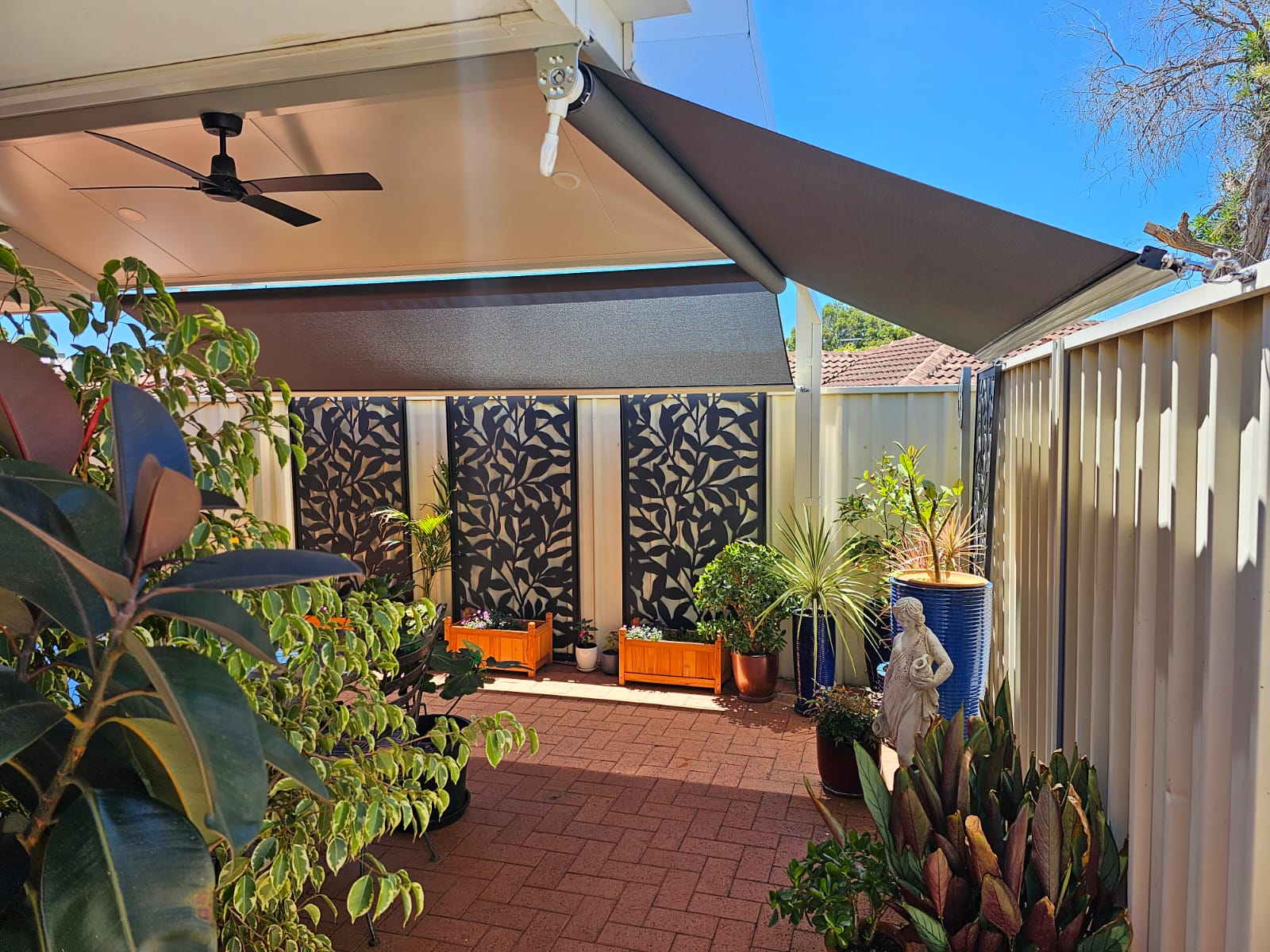
Crank Blinds Maintenance in Perth: The Complete Homeowner’s Guide
Quick Definitions & Key Terms
- Outdoor blind care
- Manual awning upkeep
- Side channel blinds
- Weather-resistant blinds
- Shade mesh blind cleaning
- UV protection for outdoor blinds
- PVC patio blind maintenance
- Shade solutions Perth
- Salt spray corrosion
- Crank handle repair
- Blind tension adjustment
- Roller blind gearbox
- Wind-resistant blinds
- DIY outdoor blind fixes
- Coastal blind service
- Alfresco blind lubrication
- Water ingress blind problems
- Blind installer tips
Why Crank Blind Maintenance Matters
Regular maintenance of crank handle blinds in Perth is essential for performance, visual appeal, and long-term durability—especially in the face of coastal wind, UV, and salt exposure. Proactive outdoor blind care stops fabric fading, keeps the gearbox smooth, and prevents costly repairs.
- Reduces stiff operation and premature wear
- Protects moving parts from corrosion and salt-spray build-up
- Prevents mould & mildew in shade mesh and PVC
- Helps maintain warranty requirements
Expert insight: “A 20-minute check every season can add years to your blinds—especially if you’re close to the ocean.” – Perth Outdoor Blind Specialist
Main topic clusters: service intervals, weather protection, UV resistance, hardware checks, storm-readiness, patio blind cleaning, salt spray best practices.
How Crank Blinds Work
Crank blinds use a detachable handle to spin a gearbox, which rotates an internal tube. The fabric unrolls downward or reels upward, while a bottom rail keeps it taut. Side channels help guide the fabric and reduce wind effect. This modular design makes repairs accessible and enables DIY troubleshooting.
- Crank Socket: Where the crank handle inserts into the gearbox. If loose, can cause tilting or skipping.
- Drive Pin/Key: Joins the gearbox to the tube; if worn, handle may spin freely with no movement.
- Blind alignment: Ensures even fabric tracking & longevity
- Manual tension adjustment: Prevents sagging or drifting
- Simple mechanics: Fewer points of failure compared to electric blinds
LSI Tier: blind mechanics, gearbox alignment, manual roller operation, fabric drift prevention, side channel adjustment.
Maintenance Pillar-Cluster Overview
- Maintenance tools cluster—safety, gear, setup tips
- Troubleshooting & repair cluster—problems, fixes, upgrade notes
- Seasonal/annual planner cluster—cleaning routines, weather resilience, UV checks
- Cleaning cluster—materials, guidelines for mesh & PVC
- Comparison cluster—crank vs motor options
Pre‑Maintenance Safety & Tools Checklist
- Padded ladder or stable step stool for elevated blinds
- Soft-bristle brush (non-abrasive)
- Microfibre cloths—dedicated for washing and drying
- Mild pH‑neutral detergent (approved for outdoor fabrics/PVC)
- Silicone-based lubricant spray
- Phillips screwdriver (#2), Allen keys, and adjustable spanner
- Protective eyewear for overhead work
Installer’s tip: “Always work in shade if possible—direct sun makes PVC softer and easier to scratch.”
LSI: outdoor blind safety, DIY maintenance tools, PVC-safe cleaner, risk-free repairs, site prep.
Top 5 Common Crank Blind Issues in Perth
- Stiff or noisy winding—from dirt, salt, or lack of lubrication in gearbox/side guides
- Fabric bunching or rolling askew—due to bracket misalignment or uneven tension
- Slipping/stripped gearbox—handle moves but the blind tube doesn’t respond
- Loose or damaged crank handle/socket—makes operation difficult
- Mould/mildew on shade mesh or PVC—resulting from moisture or poor drying after rain
- Patio blind won’t roll
- Crank awning sticky
- Coastal corrosion on outdoor blinds
- Blind tracking left or right
Use case: This section is essential for DIY troubleshooting, identifying corrosion risks, misaligned brackets, or noisy operation from Perth’s salty air.
Perth Maintenance Tips & Seasonal Planner
Outdoor Blind Maintenance Schedule
| Task | Frequency | Perth-Specific Notes |
|---|---|---|
| Light rinse (fresh water) | Monthly, especially in summer | Removes salt spray and coastal dust |
| Fastener check (brackets, end caps) | Quarterly | Essential after stormy spells |
| Lubricate metal & moving parts | Biannually | Prevents stiff winding in humidity |
| Deep clean fabric & component check | Annually | Inspect for UV, weathering, seals |
- Use only silicone sprays—petroleum sprays attack rubber/plastic
- For mesh fabrics, brush gently before washing
- Never pressure-wash PVC or shade mesh
Cleaning Outdoor & Patio Blinds (Tutorials)
Step-by-Step: Cleaning Shade Mesh Fabrics
- Lower blind fully; clip to stabilise bottom rail.
- Brush away dust, cobwebs, and sand grains.
- Prepare mild detergent with lukewarm water; sponge top down.
- Rinse with hose or clean bucket water (no pressure washers).
- Dry with soft towel; roll blind only when fully dry.
Step-by-Step: Cleaning Clear or Tinted PVC Panels
- Gently rinse off loose grit before wiping.
- Apply PVC-safe cleaner with fresh microfibre cloth. Stroke in straight lines, not circles.
- Rinse with clean water, then pat dry with non-abrasive cloth.
- Allow panels to air-dry completely. Never roll up while damp.
Expert tip: Never use solvents or window sprays on clear PVC—clouding and eventual hardening is likely.
DIY Repairs: Fixing Manual Crank Blinds
Quick Guide: Blind Not Winding Smoothly
- Inspect crank handle—replace if the connection is worn or the shaft is rounded.
- Check side channels and guides for debris or cobwebs.
- Tighten screws at the gearbox, brackets, and bottom rail end caps.
- If the fabric is rolling to one side, adjust mounting bracket alignment.
- Test functionality by fully lowering and raising the blind.
How to Replace a Gearbox
- Fully lower the blind and carefully support the bottom rail using a second person if possible.
- Remove crank handle from the gearbox socket.
- Mark bracket positions for easy re-installation.
- Unscrew gearbox; detach from wall or window frame.
- Slide tube aside, checking for damaged drive pins or bushings.
- Install new gearbox, aligning drive pin with the tube insert.
- Re-fix brackets and screws, using initial marks for reference.
- Slowly test—full up and down—to confirm smooth movement.
Lubricating Outdoor Blind Components
- Shake silicone-based spray and mask fabric edges with a sheet or rag.
- Apply small bursts to crank socket, gearbox input shaft, and pivots.
- Cycle the crank—open/close a few times for even lubricant spread.
- Wipe away any excess to avoid drips and dust gathering on moving parts.
LSI Focus: friction reduction, smooth winding, corrosion resistance, anti-squeak solution, weather-resistant lubrication.
Troubleshooting Quick Guide
| Symptom | Likely Cause | Quick DIY Fix |
|---|---|---|
| Handle turns, blind doesn’t move | Worn gearbox or stripped drive pin | Replace gearbox; check drive pin connection |
| Blind tracks to one side only | Bracket misalignment; tensioning off | Resquare mounting brackets; incrementally adjust and retest |
| Loud or jerky cranking | Lack of lubrication; dirt/salt in guide rails | Clean guides and side channels; lubricate pivot and moving points |
| White haze or spots on PVC | Harsh cleaner or abrasive sponges used | Switch to PVC-safe cleaner; rinse and gently pat dry |
Crank vs Motorised Blinds: Maintenance Showdown
Which system is right for your space? Both outdoor blind types offer unique benefits, especially in Perth’s climate.
| Feature | Crank Blinds | Motorised Blinds |
|---|---|---|
| Everyday maintenance | Light cleaning, minor lubrication | Clean only; periodic motor check |
| Repair risk | Manual parts can be DIY swapped (handle, gearbox) | Requires professional if motor/control fails |
| Storm/surge resilience | Less electronics, all-weather design | Motor housings should be water-rated |
| Cost of upkeep | Generally lower; minimal parts | Higher with potential electronics replacement |
Expert Advice: Quotes & Insider Tips
“Coastal suburbs like Fremantle, Scarborough, and Cottesloe should double their salt and sand rinse schedule—especially after summer storms.”
—Local Perth Outdoor Blind Technician
“Never force a jammed crank—if resistance increases suddenly, stop and check guides and fixings. Forcing usually strips the gearbox.”
—Senior Installer, Blind Repairs Perth
When to Call a Perth Professional
If your troubleshooting doesn’t fix stiff operation, major misalignment, torn fabric, or slow water ingress into the gearbox, it’s time for a professional service. Speed is important—delaying can void warranties or risk cascade failures (damaged tubes, unsafe hardware). Learn more about our installation and repair services if your crank system’s problems are beyond DIY.
People Also Ask
How do I stop my outdoor blind from rolling to one side?
Check that all brackets are square to the opening and not pulling in or out on one end. Adjust in small increments (10–15 cm movements), testing after each.
What’s the best lubricant for crank blinds?
Always use a clear, non-staining silicone-based spray. Avoid petroleum or white lithium sprays—these will attract dirt or harm plastic components.
How often do crank blinds need cleaning?
In high salt and dust zones, rinse monthly—especially after storms. Deep clean all outdoor blinds at least twice yearly, or more frequently if you live near the coast.
Is gearbox replacement a DIY job?
Yes, with patience and basic tools. Most Perth homeowners can remove and install a blind gearbox in under an hour. For motor models, always call a professional.
FAQs (FAQ Schema Ready)
- How often should I maintain my crank blinds?
-
A light rinse (fresh water wash) monthly in summer and after storms is best for Perth homes, with routine inspection every 6 months to ensure parts and tension are optimal.
- Can I repair crank blinds myself?
-
Most repairs—like tightening fittings, replacing handles, or aligning brackets—are DIY. Big fixes (gearbox, torn fabric, internal jams) may require a pro.
- What lubricant should I use on my outdoor blinds?
-
Silicone-based sprays are safest. Avoid petroleum-sprays or greases—these attract residue and damage fabric over time.
- Can I use regular window cleaner on PVC blinds?
-
No. Use only pH-neutral, PVC-specific cleaners. Ammonia or alcohol-based sprays can cloud or harden clear panels.
- How do I know if my blind gearbox needs replacing?
-
If the handle spins too freely, grinds loudly, or no longer lifts the blind, the gearbox or connecting pin is likely stripped.