
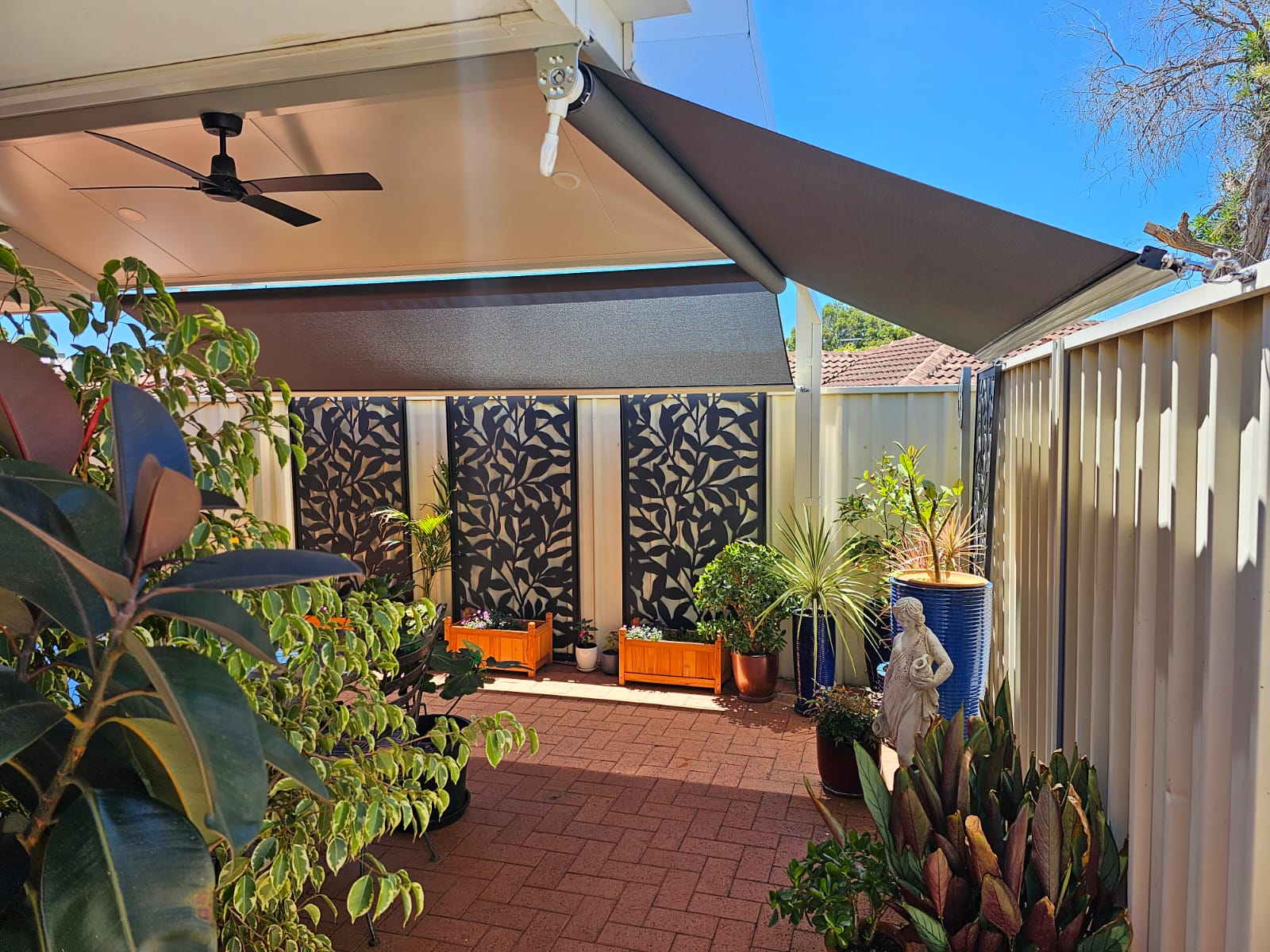
DIY crank handle blinds offer Perth homeowners a rewarding way to enhance their living spaces with functional style while saving on installation costs. This comprehensive guide delivers tailored, step-by-step instructions to help you install and assemble crank handle blinds perfectly suited to Perth’s unique climate and home environments. Whether upgrading existing fixtures or starting anew, mastering this DIY project empowers you to enjoy custom shading solutions designed for your home’s needs.
For a wider selection of styles and protective window treatments, explore our range of outdoor blinds Perth WA that complement crank handle blinds and enhance your home’s comfort.
Introduction: Why Choose DIY Crank Handle Blinds in Perth?
Overview of crank handle blinds and their benefits
Crank handle blinds are a popular window covering option that provides ease of adjustment through a manual crank mechanism. Compared to motorised alternatives, they combine reliability with cost-effectiveness and mechanical simplicity. The crank allows smooth control of aluminium or timber slats, which can tilt to regulate light and privacy without raising the entire blind.
Benefits include durable operation, low maintenance, and suitability for various window sizes and types. Their mechanical nature means you do not rely on batteries or electricity, perfect for Perth’s often sunny yet power-conscious homes. For a comprehensive overview of crank handle blinds, including professional installation options, see the crank handle blinds ultimate guide for Perth.
The appeal of DIY solutions for Perth homeowners
DIY projects like crank handle blind installation have gained traction in Perth due to the growing culture of home improvement and sustainability. Many homeowners appreciate the control over customization, the satisfaction of a hands-on task, and significant savings on labour. DIY also allows adaptation to unique window shapes common in older Perth homes, which may not fit standard product dimensions.
Further, DIY installation can be scheduled flexibly, avoiding contractor delays. With Perth’s access to well-stocked hardware stores and specialist suppliers, sourcing materials locally has never been easier.
Key considerations unique to Perth climate and homes
Perth experiences intense sunlight and high UV exposure, especially in summer months, making window shading critical for energy efficiency and interior preservation. The coastal humidity also influences material choice and installation technique, as moisture can affect timber expansion and metal corrosion.
Moreover, Perth homes built with brick, plaster, or timber walls require particular mounting strategies to ensure stability and safety. This guide takes these factors into account, making it highly relevant locally.
Transitioning into the practical details, let’s overview the essential tools and materials needed for your DIY crank handle blinds installation project.
Tools and Materials Needed for DIY Crank Handle Blinds
Essential tools: drills, screwdrivers, measuring tapes, levels
- Electric Drill: A variable speed drill with masonry and wood drill bits will be required to create secure mounting holes in different wall substrates common in Perth homes (brick, plaster, timber).
- Screwdrivers: Both Phillips and flat-head types for assembling brackets and crank mechanisms.
- Measuring Tape: A metal tape of at least 5 metres to capture precise window dimensions.
- Spirit Level: To ensure your brackets and blinds are mounted straight for smooth operation.
- Socket Wrench or Allen Keys: Sometimes required for specific crank handle components, depending on your blind model.
- Safety Gear: Gloves, eye protection, and dust masks when drilling plaster or brick.
Blind materials: aluminium vs timber slats and local availability
The two predominant slat materials suitable for crank handle blinds are aluminium and timber. Aluminium offers lightweight durability and excellent resistance to Perth’s UV rays and humidity, making it ideal for coastal homes. Timber slats provide a natural aesthetic and better insulation but require protective finishes to withstand moisture and sun exposure.
Local suppliers in Perth stock a range of both options, usually pre-cut to standard sizes but also available for custom orders. Choosing your slat material will influence hardware compatibility and installation specifics. Choosing the right fabric is crucial; learn more about selecting materials in our crank blinds fabrics guide for Perth.
Mounting brackets, hardware, and crank handle mechanisms
You’ll need high-quality mounting brackets suited to your wall type—masonry anchors for brick or concrete, and heavy-duty screws or toggle bolts for plaster and timber. The crank handle mechanism typically consists of a gearbox, handle lever, and internal cables or chains that tilt slats precisely.
Ensure the mechanism you select is compatible with your chosen slats and window size. Some kits come with all necessary components for assembly.
Where to source materials in Perth: local suppliers and hardware stores
- Bunnings Warehouse (multiple Perth locations): Comprehensive stock of drills, tools, brackets, and some blind materials.
- Perth Blind Centre: Specialist in crank handle blind components and custom slat orders.
- The Shade Store WA: Supplier of timber and aluminium blinds catering to Perth homeowners with tailored options.
- Mitre 10 and local hardware shops: Useful for additional hardware and fasteners.
Supplier staff often provide local climate advice and can recommend appropriate finishes to resist Perth’s environmental factors.
Next, precise window measurement ensures your crank handle blinds fit flawlessly. Let’s explore that in detail.
Measuring Your Windows for Perfect Crank Handle Blind Fit
Step-by-step window measurement techniques
- Determine Mounting Type: Decide between inside mount (within window frame) or outside mount (above or covering window). Diagram your window for reference.
- Measure Width: For inside mounts, measure the window frame at three points (top, middle, bottom) — record the narrowest measurement. For outside mounts, measure the desired coverage width, including any trim overlap for full blackout.
- Measure Height: Similarly, measure frame height at left, middle, and right. For outside mounts, measure from the mounting surface down to the window sill or desired coverage endpoint.
- Check Window Depth: Measure the recess from the front of window glass to trim edge to confirm crank mechanism clearance.
- Note Obstructions: Document handles, locks, or any protrusions that might impede blind operation.
Accounting for window depth, trim, and mounting type
The depth available impacts whether an inside mount is viable without the crank hitting the trim. Perth double-hung or casement windows often have narrow rebates requiring shallow brackets.
Trim style and thickness must be incorporated in measurements to prevent blind slats from rubbing and to ensure the crank handle can be securely mounted beside the blinds.
Tips for accurate measuring in typical Perth home windows
- Use a metal tape for rigidity to avoid sagging and inaccurate readings.
- Always measure twice and record carefully for precision.
- For non-standard or heritage windows, sketch the shape and take extra measurements at angles or curves.
- Consider the standard sizes available but confirm your measurements with supplier recommendations.
Accurate measuring sets a solid foundation—next, we dive into the detailed step-by-step assembly process for your crank handle blinds tailored for Perth homes.
Step-by-Step Assembly Process of Crank Handle Blinds
Preparing components and workspace for installation
- Clear your installation area and lay out all parts, tools, mounting brackets, blind slats, and the crank mechanism.
- Read your blind kit’s specific instructions, noting Perth wall types that may require alternate anchors.
- Protect flooring and furniture with drop cloths as drilling can produce dust.
- Wear appropriate safety gear: gloves, eye protection, and a mask, especially when drilling plaster or masonry.
Installing mounting brackets securely for Perth walls
- Mark Bracket Placement: Using a pencil and spirit level, mark precise points for bracket holes respecting your measured width and height.
- Drill Pilot Holes: For brick walls, use a hammer drill with masonry bits and insert wall anchors. For timber or plaster, appropriate screw types and wall anchors apply.
- Attach Brackets: Screw mounting brackets firmly, confirming they are level and stable to avoid blind misalignment.
- Check for Obstructions: Mount brackets so the crank handle will not hit window trim or hardware.
Assembling blind slats and crank handle mechanism
- Attach Slats: Thread aluminium or timber slats onto the headrail or ladder cords, following the model’s assembly guide.
- Connect Crank Assembly: Attach the crank handle gearbox to the side of the mounting brackets. Ensure the internal cables or chains engage smoothly with slat tilt arms.
- Secure End Caps: Fit end caps or covers that protect the mechanism and provide a finished look.
- Test Assembly: Before final mounting, manually rotate the crank to confirm slats smoothly tilt without catching or resistance.
Final adjustments and testing the crank operation
- Once mounted, make fine adjustments to bracket screws for perfect alignment.
- Lubricate moving parts lightly with silicone spray if mechanism feels stiff—especially important due to Perth’s coastal humidity.
- Operate the crank fully to both tilt and raise or lower the blind; confirm smoothness throughout.
- If slats do not align evenly or crank jams, re-check mounting levelness and slat threading.
Having successfully assembled and mounted your crank handle blinds, it’s crucial to prioritise a safe installation environment throughout the process.
Safe Installation Practices for DIYers in Perth
Important safety gear and precautions during installation
“Always prioritize personal safety when handling power tools and working at heights. Proper planning prevents injury.” – Certified Perth Tradesperson
- Eye Protection: Use safety goggles to guard against dust and debris.
- Gloves: Wear sturdy gloves especially when handling metal slats to prevent cuts.
- Dust Mask: Necessary when drilling plaster or masonry walls.
- Ladder Safety: Ensure ladders are stable and on flat surfaces; don’t overreach.
Handling tools and hardware safely
- Use the correct drill bit types and sizes to prevent bit breakage.
- Secure loose clothing and hair to avoid entanglement in moving parts.
- Disconnect power drills when changing bits.
- Ensure screws and brackets are fully tightened but avoid overtightening that can strip wall anchors.
Dealing with tricky installations: uneven surfaces, old windows
- Shim uneven bracket mounting points with thin washers or plastic spacers to maintain levelness.
- Use wall anchors rated for old plaster or brittle brick; drilling slowly prevents cracking.
- Consult local Perth building codes for window-related modifications to avoid structural damage.
For further details on safe practices and standards, see the official Australian Building Codes Board and Safe Work Australia guidelines.
Next, understanding how Perth’s climate affects installation and material longevity can help you tailor your approach for lasting performance.
Climate Considerations for Installing Crank Handle Blinds in Perth
Perth’s sunlight intensity effects on blind materials and operation
Perth receives some of Australia’s highest UV levels, with summer UV indexes commonly reaching 12 or above, according to the Bureau of Meteorology. This exposure accelerates fading, cracking, or warping in materials without UV protection.
Aluminium slats with powder-coating or anodised finishes resist deterioration better, while timber slats require sealed protective coatings. The crank handle mechanism’s plastic or metal parts should ideally be UV-stabilised to prevent brittleness or corrosion.
Humidity and temperature fluctuations: how to adapt installation
Coastal humidity in Perth can range significantly, with elevated levels especially in cooler months. This affects timber expansion and metal rust risk. To adapt:
- Allow slight clearance in slat spacing to accommodate timber swelling.
- Use stainless steel or galvanized mounting screws for corrosion resistance.
- Apply lubricants designed for humid environments to moving parts.
Positioning blinds for maximum energy efficiency and protection
Install blinds on windows receiving intense afternoon sun (west-facing) to reduce heat gain and UV penetration indoors. Correct sealing around the mounting area prevents drafts and moisture ingress, adding to insulation benefits.
For alternative UV protection methods, you may also consider clear PVC café blinds in Perth, which offer stylish and effective sunlight shielding.
Even with careful installation, issues can arise. Let’s look at common pitfalls and troubleshooting methods.
Common Pitfalls and Troubleshooting During Installation
Misalignment of blinds and crank handles: causes and fixes
Problems with mounting brackets and fasteners in Perth walls
Dealing with crank handle jamming or mechanical issues
Cost considerations can influence your choice and installation approach. For a detailed breakdown of prices and budgeting tips specifically for crank handle blinds in Perth, see our crank handle blinds cost guide.
Comparing DIY Crank Handle Blinds with Other DIY Blind Options
DIY curtain basics: differences in installation and mechanics
Unlike crank handle blinds, DIY curtains involve fabric panels typically hung on rods and manually drawn. Installation is generally simpler but lacks the precision light control crank blinds provide. Curtains require sewing or pre-made panels, whereas blinds demand mechanical assembly.
Overview of DIY pull down shades and how they differ
Pull down shades operate by lowering or raising fabric via spring tension rather than tilting slats. They are simpler mechanically but less versatile for airflow or light modulation. Installation can be easier but occasionally more limited by window depth.
Introduction to DIY plantation blinds and key distinctions
Plantation blinds have larger slats than standard crank blinds and often utilise a similar tilting mechanism but may include motorised or manual tilt wands. Their installation is often more complex due to weight and size, requiring additional support and sturdier brackets.
| Blind Type | Mechanism | Installation Complexity | Light Control | Suitable for Perth Climate? |
|---|---|---|---|---|
| Crank Handle Blinds | Manual crank gear | Moderate | Precise tilt | Yes, with climate protection |
| DIY Curtains | Drawn on rod | Low | Less precise | Yes, low maintenance |
| Pull Down Shades | Spring tension roll | Low to moderate | Up/down only | Yes, fabric choice important |
| Plantation Blinds | Manual tilt wand or crank | High | Wide slats tilt | Yes, but require sturdy installation |
For a detailed comparison including motorised options, consult our crank vs motorised blinds guide for Perth homeowners.
Local Perth Resources for DIY Blind Enthusiasts
List of recommended hardware and blind material suppliers
- Bunnings Warehouse: Multiple outlets — tools, mounting brackets, and some blind kits.
- Perth Blind Centre: Specialist supplier—custom slats and crank kits. Contact: (08) 9387 1234
- The Shade Store WA: Timber and aluminium slats with cladding protection options. Website: shadestorewa.com.au
- Mitre 10: Local hardware for anchors, screws, and tools.
- Perth DIY Workshops: Community classes at local makerspaces such as MakerPKT, 150 Labouchere Rd, Perth.
Perth-based workshops, DIY communities, and expert contacts
- MakerPKT Workshop: Sessions include window treatments and home improvement. Website: makerpkt.com.au
- DIY Perth Facebook Groups: Great peer advice and local project photos.
- Local handyman services: Available for assistance on trickier installations or retrofits.
Request UV-protected coatings and humidity-resistant finishes when purchasing blinds and crank mechanisms. Suppliers in Perth typically stock these options due to the local demand from the city’s coastal environment.
For related outdoor shading options, check out our detailed guide on clear PVC café blinds in Perth.
Final Checklist and Maintenance Tips (Brief Overview)
Final inspection checklist post-installation
- Confirm all brackets are firmly anchored and level.
- Test crank handle full range of motion without binding or sticking.
- Slats tilt evenly and completely close.
- Ensure crank handle is securely attached and does not wobble.
- Remove any debris from mounting locations.
Basic maintenance tips unique to Perth environment (crank blinds maintenance guide for Perth)
- Regularly clean aluminium slats with mild detergent to remove salt residues from coastal air.
- Apply protective sealant on timber slats annually to prevent moisture damage.
- Lubricate crank gearbox yearly to combat humidity-related stiffness.
When to seek professional assistance
- Retrofitting crank handles onto existing blinds with incompatible mechanisms.
- Complex window shapes or hard-to-access mounting surfaces.
- Repeated mechanical failures after multiple DIY fixes.
For professionally fitted solutions and product options, see our Crank Handle blinds.
FAQs and Further Learning Resources for Perth DIYers
Answers to common questions unanswered by typical guides
Recommended readings and video tutorials tailored to Perth
- Official Blind Installation Tutorials – Includes crank mechanism walkthroughs.
- The Shade Store WA Blog – Perth-focused DIY tips and product guides.
- MakerPKT Workshop Schedules – Local hands-on sessions on home improvement.
This concludes your comprehensive Perth-focused manual on DIY crank handle blinds. Armed with local insights, safety knowledge, and detailed procedures, you’re ready to embark on this practical home improvement journey.
Ready to transform your windows with durable, stylish, and perfectly fitted crank handle blinds? Gather your tools, measure carefully, and start your DIY project today!