
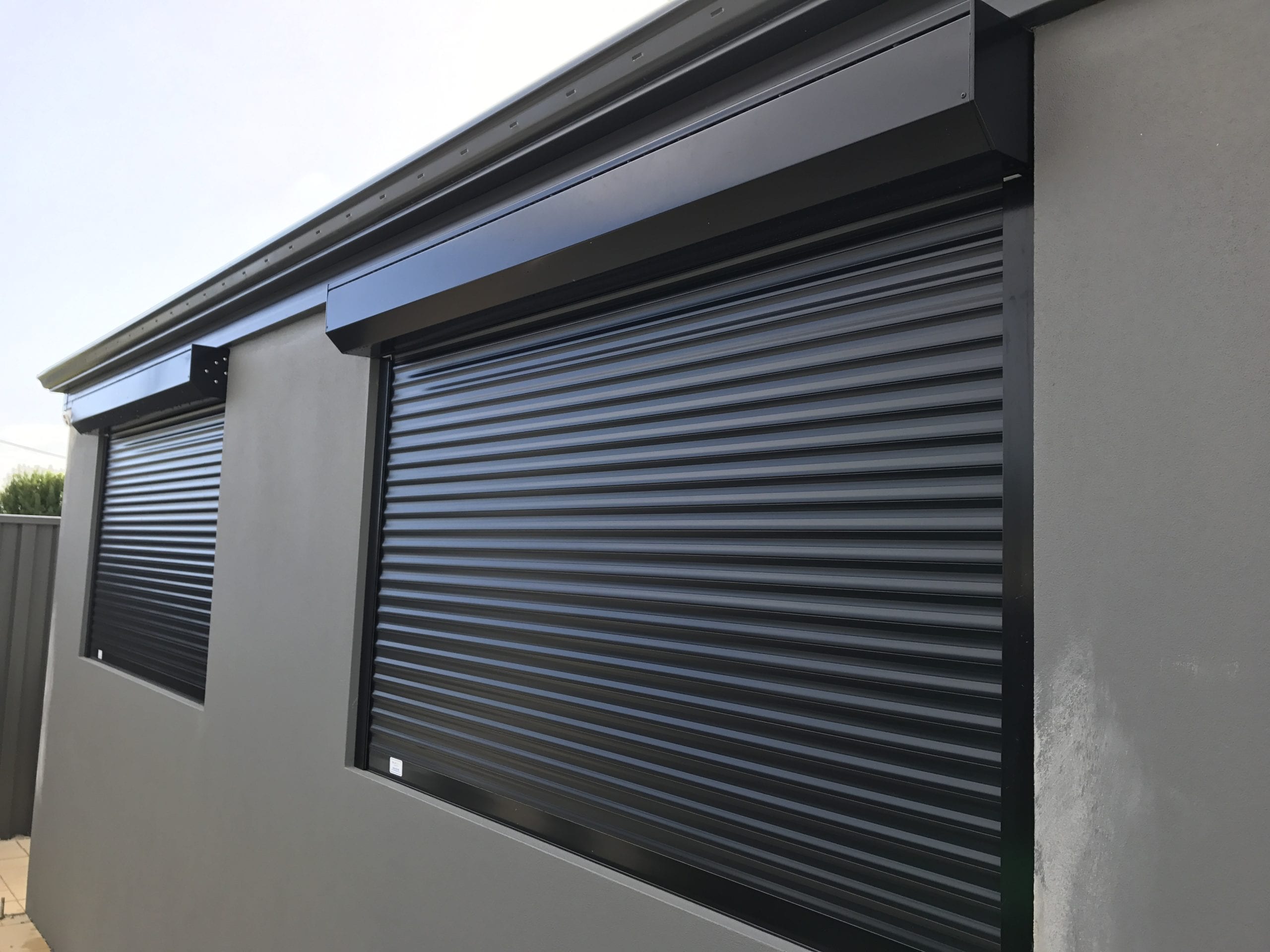
Roller Shutter Regulations in Perth: A Comprehensive Guide provides essential clarity on the complex legal framework impacting roller shutter installations. Whether you are a homeowner, business operator, or installer, this guide unpacks the crucial compliance steps, permitting pathways, and safety standards that govern roller shutters in Perth.
Understanding the detailed regulatory environment helps you avoid costly mistakes, ensures safety, and keeps your property fully compliant with Western Australian laws. Explore the latest standards, local permit processes, and inspection requirements confidently with this authoritative resource.
Overview of Roller Shutter Regulations in Perth
Compliance with roller shutter legal requirements in Perth is not merely a recommendation but a mandatory aspect governed by multiple local and state regulations. The regulatory overview covers dimensions from safety, construction standards, to local council restrictions shaping how and where roller shutters can be installed.
Key regulatory bodies such as the Western Australian Building Commission (WABC), local city councils including the Perth City Council, and Australian Standards authorities administer these regulations. Their collective frameworks ensure that roller shutters meet building codes, fire safety guidelines, and suitability for environmental factors like bushfire-prone areas.
The scope of regulations specific to Perth incorporates considerations addressing both residential and commercial properties. This includes structural integrity, operational safety, proper documentation for approvals, and adherence to fire and bushfire codes.
In summary, understanding roller shutter regulations in Perth involves grasping layered requirements imposed by state and local laws. This foundational knowledge prepares property owners and installers for compliance, saving time and money while ensuring safety.
Importance of Compliance with Local Laws
Adhering to local roller shutter laws prevents enforcement actions, delays in permit approvals, and potential fines. Compliance safeguards occupants, protects property value, and ensures enduring functionality aligned with safety standards.
Key Regulatory Bodies Governing Roller Shutters in Perth
- Western Australian Building Commission (WABC)
- Perth City Council and other Local Government Authorities
- Standards Australia (AS 5039 and related standards)
- Fire and Emergency Services Authority of Western Australia (for BAL compliance)
Definition and Scope of Regulations Specific to Perth
Regulations encompass structural design, fire resistance, operational safety (manual or electric), permits, inspections, and environmental compliance including Bushfire Attack Level assessments.
Moving forward, we will delve deeper into how these bodies shape the standards and enforcement that govern roller shutters in the Perth region.
Western Australian Building Commission (WABC) Standards and Roles
The Western Australian Building Commission (WABC) sets the core regulatory framework for roller shutter compliance in Perth under the Building Act WA. This framework defines statutory requirements for safety, construction, and operational standards that property owners and installers must follow.
“The WABC fosters compliance by providing clear guidelines and enforcing mandatory inspections to guarantee roller shutter installations meet prescribed standards.” – WABC official publication, 2024
WABC enforces compliance through permit approvals and audits. Inspections verify that installations conform to Australian Standards (e.g., AS 5039) and state safety codes. Non-compliance leads to orders for rectification or penalties as mandated by the Building Act.
Recent updates emphasize enhanced fire safety standards, particularly in high-risk bushfire zones, and stricter electrical safety protocols for motorised shutters aligned with the latest AS/NZS electrical standards.
Understanding WABC’s evolving role helps installers and property owners anticipate regulatory expectations and ensure timely compliance.
WABC’s Regulatory Framework for Roller Shutters
The framework covers structural integrity, fire safety ratings, electrical safety, and compliance with local government planning rules. Installers must align their practices with WABC’s technical provisions.
How WABC Enforces Compliance
Compliance enforcement mechanisms include mandatory building permits, scheduled inspections, random audits, and formal non-compliance notifications. WABC collaborates with local councils to ensure holistic oversight.
Recent Updates from WABC Relevant to Roller Shutters
- Introduction of specific electrical safety standards for motorised roller shutters (AS/NZS 3000 compliance)
- Enhanced fire safety requirements particularly for properties in BAL-rated zones
- Digitisation of permit application processes to streamline approvals
The next section outlines how Perth’s local governments, especially the Perth City Council, impose their own roller shutter regulations that complement WABC standards.
Local Government Regulations and Perth City Council Requirements
Local government in Perth plays a critical role in administering building permits and imposing council-specific restrictions on roller shutters. Understanding these local nuances is key to ensuring smooth approvals and avoiding costly setbacks.
For local suppliers and installation services tailored to Perth conditions, consider Roller shutters Perth for a range of compliant residential and commercial options.
Local Building Permits and Approval Processes
- Submit a detailed application to the Perth City Council planning department outlining shutter type, dimensions, installation location, and compliance certificates.
- Provide supporting documentation including engineering drawings, compliance statements referencing AS 5039, and any fire or BAL assessments.
- Pay applicable permit fees based on valuation and project scope.
- Applications undergo planning compliance and building safety review, including possible site inspections.
- Receive formal approval or request for modifications within statutory timeframes.
For homeowners and businesses seeking budget-friendly options that still meet compliance standards, exploring half price roller shutters in Perth can be a viable solution.
When applying for permits, it’s also wise to consider cost-effective options by exploring finding affordable roller shutters in Perth.
Before submitting permit applications, ensure you’ve addressed key questions before buying roller shutters to avoid costly modifications.
The permit process goes hand in hand with proper installation techniques; see our roller shutters installation step-by-step guide for practical insight.
For detailed installation procedures following permit approval, consult the step-by-step installation guide for roller shutters.
Council-Specific Restrictions and Variances
These may include:
- Heritage area guidelines restricting material types or shutter aesthetics
- Setback and height limitations affecting shutter installations on certain properties
- Restrictions in bushfire-prone zones requiring BAL compliance and fire-resistant shutters
- Requirements for integrating shutters with existing building permits or strata rules
| District | Permit Processing Time | Common Restrictions | Contact Department |
|---|---|---|---|
| Perth CBD | 15 business days | Heritage aesthetics, fire safety BAL | Planning Services |
| Subiaco | 20 business days | Height restrictions, bushfire precautions | Building Approvals |
| Fremantle | 18 business days | Heritage overlay, coastal salt resistance | Development Services |
Contact Points and Resources at Perth City Council
Property owners and installers can access application forms, guidance notes, and contact details via the Perth City Council official website. Dedicated building and planning officers provide support for queries and clarifications related to roller shutter installations.
With local government processes thoroughly understood, property owners can better navigate approvals and compliance. The following section explains the Australian Standards that form the technical backbone for roller shutter regulations.
Australian Standards Impacting Roller Shutter Installation and Use
Properties near the coast face additional challenges such as salt corrosion; choosing salt-resistant shutter solutions ensures compliance and longevity.
Roller shutter installations in Perth must adhere to comprehensive Australian Standards, which ensure consistency in safety, durability, and fire resistance across residential and commercial properties.
Overview of AS 5039 and Related Standards
- AS 5039:2012 – Specifies performance requirements and structural testing methods for roller shutters, ensuring resistance to wind, impact, and operational reliability.
- AS/NZS 3000 – Australian electrical wiring rules applicable to motorised roller shutters, governing safe electrical installation and operation.
- AS 3959 – Construction of buildings in bushfire-prone areas, outlining fire resistance criteria for shutters based on BAL ratings.
Fire Safety Codes and Roller Shutters
Compliance with fire safety codes dictates:
- Minimum fire resistance levels for roller shutter materials and assemblies
- Flame spread limitations and ember protection features per BAL zones
- Mandatory integration with local fire emergency egress plans
Compliance Requirements for Commercial vs Residential Properties
| Compliance Aspect | Residential | Commercial |
|---|---|---|
| Structural Load Resistance | Moderate (AS 5039) | High, per commercial standards |
| Fire Resistance Rating | BAL-rated shutters in fire zones | Enhanced fire barrier requirements |
| Electrical Compliance | Motorised shutters require AS/NZS 3000 wiring | Stricter controls, safety cut-offs mandatory |
| Inspection Frequency | Periodic, as needed | Regular, mandated by commercial codes |
Australian Standards represent the minimum benchmark for roller shutter safety and performance. Strict adherence underpins all official approvals and inspections in Perth.
Building Permits and Approval Processes in Perth
Navigating the roller shutter permit application process in Perth is vital for lawful installation and ensures compliance with state and local government requirements.
Step-by-Step Guide to Applying for Permits
- Pre-Application: Determine if your project requires a permit by consulting Perth City Council planning regulations.
- Prepare Documentation: Collate engineering plans, statements of compliance with AS standards, fire safety assessments, and environmental impact reports if applicable.
- Submit Application: Lodge your permit application online or at council offices with the required fees.
- Council Review: The local authority assesses the application against building codes, local planning requirements, and safety standards.
- Respond to Queries: Address any requests for additional information from the council promptly.
- Permit Decision: Receive approval, conditional approval with modifications, or refusal. Unconditional permits enable commencement of installation.
Necessary Documentation and Fees
- Engineering drawings and structural calculations
- Compliance certificates demonstrating adherence to AS 5039 and fire codes
- Fire safety assessment reports if the property is within a BAL zone
- Permit application fee (varies by project size; average $150–$500)
Inspection and Compliance Checks
The council will schedule inspections at key stages: post-installation structural verification and final fire safety compliance assessments. Passing inspections is mandatory prior to sign-off and full occupancy approval.
During this process, considering perth clear PVC café blinds UV protection options may complement your property’s outdoor coverings in compliance with relevant standards.
Explore our guide on finding affordable roller shutters in Perth for cost options.
Fire Safety and Bushfire Attack Level (BAL) Compliance
Fire safety compliance is a central concern in roller shutter regulation, especially due to Perth’s proximity to bushfire-prone zones where strict adherence to BAL requirements is mandated.
Fire Safety Code Requirements for Roller Shutters
Roller shutters must meet prescribed fire resistance levels determined by their location. Fire-resistant materials, ember protection, and rapid release mechanisms are often mandated to facilitate emergency egress.
Addressing BAL Compliance for Properties in Fire-Prone Areas
Per section AS 3959, properties within BAL zones 12.5 to 40 require roller shutters that:
- Are constructed from non-combustible materials
- Have ember-guard designs to prevent fire entry during bushfires
- Meet specific flame propagation limits
Case Study: A recent bushfire near Perth’s outer suburbs resulted in several homes with compliant BAL-rated roller shutters escaping structural damage, underscoring the importance of adherence.
Local councils incorporate bushfire safety mandates into planning permits. When selecting roller shutters, homeowners and businesses should assess their property’s BAL zone and council mandates. For additional protection solutions suitable for these conditions, consider outdoor blinds options for fire-prone areas endorsed by Perth authorities.
Businesses should consider both fire safety and regulatory compliance when selecting roller shutters for Perth businesses.
Electric vs Manual Roller Shutter Regulations
The choice between electric and manual roller shutters influences compliance obligations, especially regarding electrical safety, operational controls, and energy efficiency.
Legal Considerations Affecting Operation Type
- Electric shutters must comply with AS/NZS 3000 electrical wiring standards to ensure safe installation and operation.
- Manual roller shutters are exempt from complex wiring rules but must meet mechanical safety standards.
- Mental health and disability access laws encourage electric options for ease of use.
Safety and Installation Standards for Electric vs Manual Shutters
| Aspect | Electric Roller Shutters | Manual Roller Shutters |
|---|---|---|
| Electrical Compliance | Strict AS/NZS 3000 adherence required | Not applicable |
| Safety Controls | Incorporate emergency stop and obstruction sensors | Mechanical override for emergencies |
| Installation Complexity | Requires licensed electrician | Generally simpler installation |
| Energy Efficiency | Can include energy-saving motors; subject to energy standards | No energy use |
Energy Efficiency Compliance and Brief Considerations
Energy efficiency regulations in WA, although limited, encourage electric shutters that reduce power consumption and integrate with smart home systems. Manual shutters, being non-powered, have no energy usage but lack automation benefits.
Discover energy-efficient roller shutters in Perth to save on bills.
Compliance Inspection Procedures and Best Practices
When and How Inspections Are Conducted
- Initial structural inspection during or immediately after installation to verify conformity with permitted plans and Australian Standards.
- Fire safety inspection, particularly for properties in BAL zones.
- Final compliance sign-off inspection prior to formal approval or occupancy certificate issuance.
- Occasional unscheduled audits may occur triggered by complaints or random sampling.
Common Non-Compliance Issues Found During Inspections
- Use of non-compliant materials lacking fire resistance or BAL rating
- Improper electrical wiring or uncertified motorised components
- Incomplete permit applications or missing documentation
- Incorrect installation height and dimensions violating council restrictions
Tips for Preparing for a Compliance Inspection
- Ensure all paperwork and permits are up to date and accessible
- Schedule pre-inspection walkthroughs with installers or building certifiers
- Maintain clear access around shutters for inspection ease
- Correct any minor defects identified prior to council inspection
Proper cleaning of roller shutters, including interior surfaces, is often overlooked but important to maintain compliance and functionality; read our guide on how to clean roller shutters from the inside.
Legal Implications and Penalties for Non-Compliance
Failing to comply with roller shutter regulations in Perth can lead to significant fines, legal action, and enforced rectifications impacting timelines and budgets.
Overview of Potential Fines and Legal Consequences
| Offence | Fine Range (AUD) | Additional Consequences |
|---|---|---|
| Installation without Permit | $2,000 – $10,000 | Stop work orders, mandatory removal |
| Failure to Comply With Fire Safety Codes | $5,000 – $15,000+ | Insurance invalidation, legal liability |
| Non-Compliance with BAL Requirements | $3,000 – $12,000 | Emission of rectification notice, possible prosecution |
| Unsafe Electrical Work by Unlicensed Personnel | $10,000+ | Criminal charges, revocation of licenses |
Case Studies of Enforcement Actions in Perth
A Perth commercial property incurred a $12,000 fine after council inspectors identified motorised roller shutters lacking AS/NZS 3000 certification. The owner was required to retrofit compliant wiring and undergo secondary inspections within 30 days.
Another instance involved residential non-compliance with BAL standards leading to enforced shutter replacement costing the property owner significant expense and project delays.
Seasonal security measures, such as those during summer, must align with regulatory requirements to avoid penalties; discover how to secure your home this summer effectively.
How to Rectify Non-Compliant Installations
- Engage qualified compliance consultants or building surveyors.
- Submit a rectification plan to the local authority within specified timeframes.
- Complete required modifications and arrange reinspection.
- Obtain formal compliance certification prior to further use or sale.
Understanding the benefits of installing roller shutters can help motivate compliance efforts and investment.
Security considerations often dictate compliance risks; explore why commercial roller shutters are good for security.
Non-compliance can undermine security benefits, so understanding the security advantages of roller shutters is crucial.
Evaluate if security roller shutters are worth their money, particularly when factoring in compliance costs with this article on the value of security roller shutters.
Considering penalties and legal risks, it’s useful to understand the overall cost-effectiveness of roller shutters.
For business owners, securing premises with commercial roller shutters supports regulatory compliance; learn about commercial roller shutter security solutions.
Compliance Checklist and Resources for Property Owners and Installers
Actionable Compliance Checklist for Roller Shutters
- Confirm necessity of building permit with Perth City Council
- Ensure all documentation references current AS 5039 and fire safety standards
- Verify shutter materials comply with BAL requirements if applicable
- Engage licensed electricians for motorised shutter installations
- Schedule and prepare for inspections following installation milestones
- Maintain records of all approvals, permits, and compliance certifications
- Stay informed of regulatory updates via official government channels
Key Contacts and Government Resources
- Western Australian Building Commission (WABC)
- Perth City Council Official Site
- Standards Australia
- Department of Fire and Emergency Services WA
- Australian Building Codes Board
Recommendations for Staying Up-to-Date with Regulation Changes
- Subscribe to newsletters and alerts from the WABC and Perth City Council
- Participate in industry seminars and building forums relevant to WA compliance
- Consult professional building surveyors or compliance officers regularly
- Review legislative updates on building and planning acts relevant to roller shutters
Remaining proactive in compliance management minimizes risks and leverages the legal protections embedded in Perth’s building regulations.
In closing, navigating roller shutter regulations in Perth requires detailed knowledge of the WABC framework, local council requirements, Australian Standards, and safety codes. By understanding the permit process, fire safety, operational distinctions, and compliance inspections, property owners and installers can avoid legal pitfalls and ensure secure, compliant roller shutter use.
For those ready to proceed confidently, engaging with official resources and following the comprehensive compliance checklist offered here will be critical to success. Consult professionals where necessary and safeguard your property with fully compliant roller shutters.
Frequently Asked Questions
What permits are required for installing roller shutters in Perth?
Installing roller shutters in Perth typically requires a building permit from the relevant local council, such as the Perth City Council. Applications must include engineering plans, compliance certificates with Australian Standards, and sometimes fire safety assessments, especially in bushfire-prone areas.
How do fire safety regulations affect roller shutter requirements in bushfire-prone zones?
Roller shutters in bushfire-prone zones must meet specific fire resistance and ember protection standards per AS 3959. They need to be constructed from non-combustible materials and comply with the Bushfire Attack Level (BAL) ratings to reduce fire risk and aid emergency egress.
Why is compliance with the Western Australian Building Commission important for roller shutters?
Compliance with the Western Australian Building Commission (WABC) ensures roller shutters meet legal safety, construction, and operational standards. This prevents enforcement actions, avoids fines, guarantees safe use, and supports approval for installation and inspections under the Building Act WA.
When should property owners schedule inspections for roller shutter installations?
Inspections should be scheduled during or immediately after installation to verify structural compliance, with a separate fire safety inspection if applicable. A final sign-off inspection is required before occupancy certification or use, with possible additional audits triggered by complaints.
Can manual roller shutters be installed without electrical compliance certification?
Yes, manual roller shutters do not require electrical compliance certification since they do not involve wiring. However, they must still meet structural safety and fire resistance standards applicable to their location and use.
Which Australian Standards apply to electric versus manual roller shutter installations?
Electric roller shutters must comply with AS/NZS 3000 for electrical wiring and safety, while both manual and electric shutters must meet AS 5039 performance and AS 3959 fire resistance standards based on location and application.
How do local council regulations differ across Perth districts for roller shutters?
Local council regulations vary by district; for example, Perth CBD enforces heritage aesthetics and fire safety, Subiaco emphasizes height and bushfire restrictions, and Fremantle includes coastal salt resistance and heritage overlays, affecting permit conditions and installation rules.
What penalties can result from non-compliance with roller shutter regulations in Perth?
Penalties for non-compliance include fines ranging from $2,000 up to $15,000 or more, stop work orders, mandatory removal or rectification of shutters, invalidation of insurance, and potential legal prosecution, depending on the specific violation.